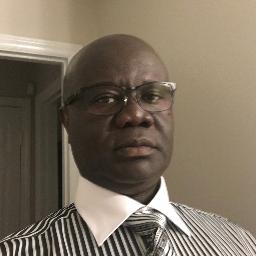
Therapist profile
Dr. Agyenim Akuamoah-Boateng, LCMHC
Dr. Agyenim Akuamoah-Boateng, LCMHC - Mental health and addictions
Continue with AgyenimAbout
- Trauma and grief
- Substance use recovery
- Stress and anxiety
About Agyenim
Dr. Agyenim Akuamoah-Boateng is a Licensed Clinical Mental Health Counselor (LCMHC) practicing in North Carolina with 23 years of experience. He has worked in mental health and substance use treatment since 1998 and in private practice since 2001. His practice addresses anxiety, depression, addictions, trauma and grief, and a wide range of relationship and family concerns.
He works directly with people coping with stress, mood shifts, and the fallout from trauma and substance use. He also helps those dealing with intimacy questions, communication problems, caregiver strain, and career-related stress. His background includes supporting people with co-occurring medical and behavioral health conditions.
Dr. Akuamoah-Boateng uses practical, skills-based methods in sessions. He draws on Acceptance and Commitment Therapy (ACT), cognitive behavioral techniques, client-centered work, and dialectical behavior strategies. He blends motivational enhancement methods and solution-focused practices when people are thinking about change.
In sessions he focuses on concrete goals and recovery skills. That can mean practicing new ways to handle cravings, building better communication habits, or learning coping strategies for panic and sleeplessness. He also offers approaches aimed at attachment and relationship patterns.
His training includes a PhD in Human Services with a concentration in disaster and crisis intervention. That background informs his work with trauma and disaster-related stress. People who want practical strategies for everyday life and recovery will find a clear, goal-oriented approach here.
How sessions work
How his approaches translate to online work
Acceptance and Commitment Therapy (ACT) helps people notice painful thoughts without getting stuck in them and choose actions that match their values. It is often used for anxiety, trauma responses, and coping with life changes. Cognitive Behavioral Therapy (CBT) focuses on identifying unhelpful thinking patterns and testing new behaviors to reduce symptoms like panic, low mood, and disrupted sleep. Client-Centered Therapy emphasizes listening and supporting a person's own process of deciding what to change and how to move forward.Finding the right way of working is part of the process. The therapist will collaborate with each person to pick approaches that match their goals, needs, and personal preferences. Sessions can blend techniques so someone learning recovery skills might also practice emotion regulation or values-based action in the same course of work.
The profile does not state specific session formats, so confirm the available options before booking. Many people choose online work because it can fit into a busy day, cut out travel time, and make it easier to keep regular sessions. Online sessions also allow more frequent short check-ins or scheduled longer visits when skill practice is needed. Licensed professionals can adapt ACT, CBT, and client-centered methods to an online setting to focus on goal setting, recovery skills, and relationship patterns without changing the core of the work.
Areas of focus
Areas of expertise
Primary focus
Also works with
Additional focus areas
Therapeutic approaches
Experience
23+ years
Listed in
North Carolina
Languages
English
Questions
Frequently asked questions
What kinds of problems does he help with?
He works with stress, anxiety, depression, addictions, trauma, grief, relationship and family concerns, and related issues such as sleep and anger.
What is his therapy style like?
He uses practical, skills-based methods including Acceptance and Commitment Therapy, cognitive behavioral ideas, client-centered listening, and dialectical behavior techniques.
How much experience does he have?
He has worked in mental health and substance use treatment since 1998 and has 23 years of clinical experience overall.
What are his credentials and where is he located?
He is an LCMHC licensed in North Carolina and practices there.
Does he offer sessions in other languages or to international clients?
Sessions are offered in English and he accepts international clients.
What session formats are available?
The biography does not specify session formats; confirm current session options before booking.
How are fees handled?
Cost varies with location and sessions use a subscription that can be canceled at any time.
How do I begin working with him?
Select the See online therapy options button, complete the short matching questionnaire, and schedule a first session.
Details come from information the therapist supplied to BetterHelp. A license can be checked with the state board.
Online talk therapy is not emergency care. If anyone is in danger, use the crisis numbers.