About
- CBT tools
- DBT skills
- Acceptance work
About Ann
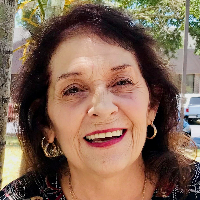
Ann DePoole is a Licensed Clinical Social Worker (LCSW) with 14 years of experience based in Arizona. She focuses on stress, anxiety, mood disorders, addictions, trauma and abuse, grief, and related concerns that often affect life at home. Ann also lists parenting, relationship strain, intimacy-related issues, and caregiving stress among her areas of practice.
She returned to school in her 40s to pursue social work and has spent over a decade working with people facing co-occurring disorders and substance-related problems. Ann uses a mix of practical talking and skill-based work in sessions. She aims to build trust and openness so clients can speak honestly about hard topics.
Her approach draws on cognitive behavioral tools to change unhelpful thinking and dialectical behavior techniques to manage emotion and crises. She also incorporates acceptance and commitment ideas to help people clarify values and take action, plus attachment-based perspectives when relationship patterns matter.
Sessions include direct problem solving, skill practice, and discussions about patterns that show up in relationships and family life. She additionally lists work on self-esteem, anger, body image, ADHD, bipolar concerns, and caregiver stress among her focus areas.
Ann works in English and practices from Arizona under her FL LCSW and AZ LCSW credentials. People who want to learn more are encouraged to check the online therapy options and complete the brief matching questionnaire before scheduling a first session.
How sessions work
How therapeutic approaches are used in online sessions
Acceptance and Commitment Therapy (ACT) helps people notice painful thoughts without getting stuck in them and then take steps that match their values. It can be useful for managing anxiety, grief, and life changes. Cognitive Behavioral Therapy (CBT) focuses on identifying and changing unhelpful thinking and behavior patterns, and it is often used for depression, anxiety, and stress. Dialectical Behavior Therapy (DBT) teaches concrete emotion regulation and distress tolerance skills to help when feelings feel overwhelming.Working out which approach fits best is part of the early sessions. The therapist will collaborate with the client to pick techniques that match their goals, preferences, and everyday demands. That may mean combining skills work with values-based action and some exploration of relationship patterns.
The practical upside of online work is that it can fit into a busy life. Confirm the current session formats before booking, as the biography does not specify formats here. Online sessions can make it easier to schedule shorter check-ins, avoid travel time, or choose a format that needs less bandwidth or no camera. Licensed professionals can adapt ACT, CBT, and DBT exercises to the online setting so clients can practice tools between sessions.
Areas of focus
Areas of expertise
Primary focus
Also works with
Additional focus areas
Therapeutic approaches
Experience
14+ years
Listed in
Florida, Arizona
Languages
English
Questions
Frequently asked questions
What kinds of problems does she focus on?
She works with stress, anxiety, mood disorders, addictions, trauma and related family and parenting concerns.
How would she describe her therapy style?
Her style combines talk therapy with practical skills. She uses cognitive and behavioral techniques alongside emotion regulation work.
How much experience does she have?
She has 14 years of clinical experience, including work with co-occurring disorders and substance-related problems.
What are her credentials and where does she practice?
She is an LCSW with credentials listed as FL LCSW and AZ LCSW and is based in Arizona.
Can she work with people who speak other languages?
Sessions are offered in English.
Does she accept international clients?
She does not accept international clients at this time.
How are costs handled for sessions?
Costs vary by location and sessions use a subscription that can be canceled at any time.
What do I do to begin working together?
Select the See online therapy options button, complete the short matching questionnaire, and schedule a first session.
Details come from information the therapist supplied to BetterHelp. A license can be checked with the state board.
Online talk therapy is not emergency care. If anyone is in danger, use the crisis numbers.