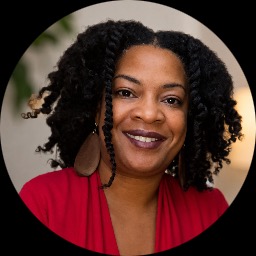
Therapist profile
Atiya Moore, LCSW-C
LCSW-C in Maryland - trauma and family concerns
Continue with AtiyaAbout
- Trauma recovery
- Parenting support
- ACT and CBT methods
About Atiya
Atiya Moore is a Licensed Certified Social Worker (LCSW-C) in Maryland with more than 20 years of clinical experience. She helps people facing stress, anxiety, depression, trauma and abuse, relationship strain, and parenting challenges. Her practice also addresses addiction, grief, intimacy concerns, ADHD, and compassion fatigue.
Moore works with people who have experienced long-term or intergenerational trauma and with those who struggle with self-doubt, self-sabotage, or a pattern of victim thinking. She supports people in addressing family-related problems, blended family dynamics, fatherhood issues, adoption and foster care concerns, and attachment difficulties. The focus is on concrete steps that reduce distress and improve day-to-day functioning.
Her approach blends several evidence-informed methods. She uses Acceptance and Commitment Therapy and cognitive behavioral techniques to help people notice unhelpful thoughts and take values-driven actions. Dialectical Behavior Therapy skills are offered for emotion regulation and distress tolerance. Emotionally-Focused Therapy elements are used when safety and emotional connection need attention.
Sessions may include mindfulness and meditation practices, motivational interviewing, somatic work, and practical exercises that can be used between meetings. She is open to exploring nontraditional supports such as energy management and therapeutic gardening when those options fit a person’s goals.
Atiya draws on two decades of work across behavioral health settings to shape sessions that focus on realistic change. She sees English-speaking adults and accepts international clients. People who want to begin are asked to complete a short matching questionnaire and schedule a first session.
How sessions work
How her approaches translate to online sessions
Acceptance and Commitment Therapy (ACT) helps people clarify what matters to them and then take committed actions toward those values. Online ACT work often involves noticing thoughts and practicing small value-driven steps between meetings. Cognitive Behavioral Therapy (CBT) focuses on identifying patterns of thinking that keep problems going and testing new behaviors. In an online setting CBT usually pairs discussion with simple exercises and homework to build different habits.Finding the right approach is part of the process. The therapist will work collaboratively to match methods to a person’s goals, needs, and preferences, and may combine ACT, CBT, DBT skills, mindfulness, or emotionally-focused elements as appropriate. The plan can be adjusted over time based on what helps.
The original biography does not specify session formats, so confirm current options before booking. Online work can help fit therapy into a busy life by avoiding travel and allowing shorter check-ins on a break, or sessions when travel would be difficult. It also makes it possible to work with a licensed professional in Maryland from another location and to continue regular meetings while managing everyday responsibilities.
Areas of focus
Areas of expertise
Primary focus
Also works with
Additional focus areas
Therapeutic approaches
Experience
20+ years
Listed in
Maryland
Languages
English
Questions
Frequently asked questions
What kinds of problems does she help with?
She supports adults with stress, anxiety, depression, trauma and abuse, relationship difficulties, parenting concerns, addictions, grief, ADHD, and related family issues.
How would you describe her therapeutic style?
Her style combines practical techniques and reflective work, using ACT, CBT, DBT skills, EFT elements, mindfulness, and somatic practices to address emotions and behavior.
How much experience does she have?
She has worked for more than 20 years in a range of behavioral health settings supporting people with complex and long-term trauma.
What are her credentials and where is she based?
She holds the LCSW-C credential in Maryland and practices as a licensed clinical social worker in that state.
Can nonlocal or international clients work with her?
Yes. Sessions are offered to international clients and are conducted in English.
What session formats are used?
The original biography does not list specific session formats; please confirm current session options before booking.
How is cost handled?
Cost varies with location and sessions use a subscription model that can be canceled at any time.
What should I do to get started?
Select the See online therapy options button, complete a short matching questionnaire, and schedule your first session.
Details come from information the therapist supplied to BetterHelp. A license can be checked with the state board.
Online talk therapy is not emergency care. If anyone is in danger, use the crisis numbers.