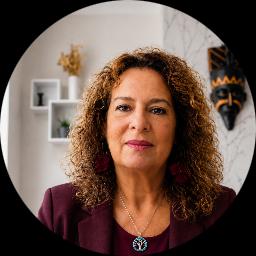
Counsellor profile
Ayelet Wellard, NCPS
Psychotherapist - relationships and family issues
Continue with AyeletAbout
- Client-Centred therapy
- Cognitive Behavioural Therapy
- Hypnotherapy
About Ayelet
Ayelet Wellard is a psychotherapist and hypnotherapist registered with NCPS in the United Kingdom, with five years of professional experience. She works with adults on relationship and intimacy concerns, and on issues such as stress, anxiety, low self-esteem and family conflict. Sessions are offered in English and Hebrew, and she accepts international clients.
Her approach combines client-centred talk therapy with cognitive behavioural techniques to help people spot and change unhelpful thoughts and behaviours. She also uses hypnotherapy as a relaxation tool alongside those conversations. Numerology is offered as an additional element where clients are interested in that perspective.
Ayelet aims to help people who are struggling with grief, trauma and abuse, or with intimacy-related difficulties. She also supports those dealing with sleeping problems, anger, career stress and major life changes. Her work covers a wide range of concerns including body image, codependency, and issues around commitment and communication.
In sessions she focuses on practical steps people can try between meetings, such as simple cognitive exercises and mindfulness practices. She frames exercises in everyday language and keeps techniques straightforward. Sessions tend to be short, focused, and goal-oriented when people want quick changes, and more exploratory when they want to understand deeper patterns.
People who choose her often want a mix of talking, practical strategies and relaxation techniques. To begin, clients follow a short matching questionnaire and then book their first session through the online process described on the service site.
How sessions work
How her approaches are used in online sessions
A client-centred approach focuses on listening and reflecting back what matters to the person. It helps people feel heard and guides the pace of work so sessions follow the client’s priorities.Cognitive Behavioural Therapy (CBT) looks at the links between thoughts, feelings and actions. It uses simple exercises to test unhelpful beliefs and build different habits, which can help with anxiety, low mood and relationship patterns.
Hypnotherapy is offered as a relaxation and focus tool alongside talking work. It often involves guided relaxation and imagery to reduce stress and to support changes in behaviour when clients want that option.
Finding the right mix of approaches is part of the process. The therapist will work collaboratively to agree goals and select techniques that fit the client’s needs and preferences. Clients can say if they prefer more practical work, more listening, or to include hypnotherapy.
The biography does not list specific session formats, so check the current online options before booking. Online sessions can make it easier to fit meetings around everyday life, allow shorter check-ins when needed, and reduce travel time. Registered or accredited professionals often use these benefits to keep therapy manageable alongside parenting, work and other commitments.
Areas of focus
Areas of expertise
Primary focus
Also works with
Additional focus areas
Therapeutic approaches
Experience
5+ years
Listed in
United Kingdom
Languages
English, Hebrew
Questions
Frequently asked questions
What concerns does she work with?
She works with stress, anxiety, relationship and family issues, self-esteem, depression, grief and intimacy-related problems, among other concerns.
What is her therapeutic style?
Her practice combines client-centred conversations with cognitive behavioural tools and hypnotherapy for relaxation. Sessions mix discussion with practical exercises.
How long has she been practising?
She has five years of professional experience working as a psychotherapist and hypnotherapist in the UK.
What credentials and location are listed?
Her listed credential is NCPS and she is based in the United Kingdom.
Which languages are supported and can she work internationally?
Sessions are offered in English and Hebrew, and she accepts international clients.
What session formats are available?
The original biography does not specify session formats. Please confirm current online session options before booking.
How does pricing work?
Cost varies with location and sessions use a subscription model that can be cancelled at any time.
How do I start working with her?
Begin by selecting the See online therapy options button, completing a short matching questionnaire, and scheduling a first session.
Details come from information the counsellor supplied to BetterHelp. A registration can be checked with the body that issued it.
Online talk therapy is not emergency care. If anyone is in danger, use the crisis numbers.