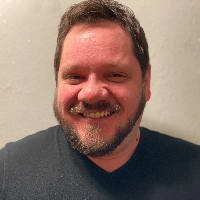
Therapist profile
Brandon Bunker, LCMHC, LPC
Licensed counselor - Family and parenting focused
Continue with BrandonAbout
- Stress and anxiety
- Parenting concerns
- Relationship struggles
About Brandon
Brandon Bunker is a Licensed Clinical Mental Health Counselor (LCMHC) and a Licensed Professional Counselor (LPC) practicing in Utah with 11 years of experience. He focuses on stress, anxiety, depression, trauma and abuse, LGBTQ concerns, relationship and intimacy-related issues, and parenting. He also addresses addictions, family problems, self-esteem, career stress, and coping with life changes.
Brandon uses a straightforward, client-centered way of working. He listens for what matters most and helps people name what’s getting in the way. Sessions often involve practical skills for managing strong emotions, improving communication, and making decisions that fit the person’s life.
His background includes work with clients facing attachment and abandonment issues, codependency, fatherhood concerns, and caregiver stress. He also has experience with kink and alternative sex culture topics, substance use issues, and the effects of trauma on relationships. That experience informs a down-to-earth approach to difficult or stigmatised topics.
In sessions Brandon mixes evidence-based tools and relational work. Cognitive Behavioral Therapy (CBT) helps with patterns of thinking and behavior. Emotion-focused work addresses painful feelings and relationship interactions. Acceptance and Commitment Therapy (ACT) supports moving toward valued action despite hard emotions.
People who come to him for help get practical strategies they can try between sessions. He encourages clear communication, realistic steps, and steady problem-solving. To begin, readers are asked to use the site’s matching tool to schedule a first appointment and complete the brief questionnaire.
How sessions work
Approach to online sessions and therapeutic methods
Brandon draws on Acceptance and Commitment Therapy and Attachment-Based ideas in his work. ACT focuses on noticing difficult thoughts and feelings and then choosing actions that match what matters most. It is often used for anxiety, depression, and stress when people want tools to live by their values despite hard feelings.Attachment-based work looks at how past relationships shape current patterns. It can help people understand why they respond a certain way in close relationships and try new interaction patterns to feel more connected and less reactive.
Finding the right approach is part of the work. Brandon treats that as a collaborative process. He will talk with each person about goals and preferences, try approaches that fit the issue, and adjust based on what is helpful over time.
Confirm the exact online session formats before booking, as this profile does not list specific delivery methods. Online sessions can make it easier to fit therapy into a busy day, avoid travel time, and have shorter check-ins when a full hour is not needed. Licensed professionals commonly use different formats to match schedules and needs, and he will discuss what works best during the first session.
Areas of focus
Areas of expertise
Primary focus
Also works with
Additional focus areas
Therapeutic approaches
Experience
11+ years
Listed in
Utah, Virginia
Languages
English
Questions
Frequently asked questions
What kinds of family concerns does he help with?
He supports individuals dealing with family problems, family of origin issues, fatherhood concerns, and parenting strain.
What is his therapeutic style like?
He works in a client-centered way, listening first and then offering practical skills for emotion regulation and communication.
How much experience does he have?
He has 11 years of clinical experience working with anxiety, depression, trauma, LGBTQ issues, and related concerns.
What credentials and location should I know about?
He holds LCMHC and LPC credentials and practices in Utah.
Can I work with him if I live outside the United States?
Sessions are offered in English and he is not currently accepting international clients.
What session formats are offered?
Please confirm current session options before booking as the profile does not list specific formats.
How are fees handled?
Cost varies with location and sessions use a subscription that can be canceled at any time.
How do I begin working with him?
Select the See online therapy options button, complete the short matching questionnaire, and schedule a first session.
Details come from information the therapist supplied to BetterHelp. A license can be checked with the state board.
Online talk therapy is not emergency care. If anyone is in danger, use the crisis numbers.