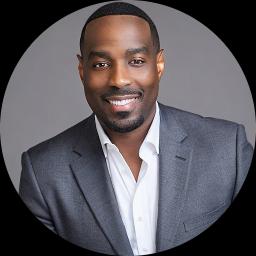
Therapist profile
Capus Barnett, LCSW, CSW
LCSW in Georgia - family and parenting concerns
Continue with CapusAbout
- Stress and anxiety
- Parenting support
- Substance use
About Capus
Capus Barnett is a Licensed Clinical Social Worker, LCSW, and a Clinical Social Worker, CSW, practicing in Georgia with five years of experience. He works with adults on issues such as stress, anxiety, addictions, grief, depression, relationship tensions, parenting concerns, trauma and abuse, and life transitions.
He favors practical, solution-focused work that helps people manage immediate problems. Sessions look at what is happening now and identify small, doable steps to reduce overwhelm. He uses approaches like Acceptance and Commitment Therapy, Cognitive Behavioral Therapy, and Client-Centered methods to guide that work.
Capus also addresses areas such as adoption and foster care struggles, fatherhood issues, substance use, and communication problems. He helps people who are navigating gender dysphoria, HIV/AIDS related concerns, first responder stress, and financial strain. The focus is on clear problem-solving and improving day-to-day functioning.
In sessions he pays attention to attachment patterns and emotional regulation. That can mean working on how past relationships shape current reactions, or learning skills to manage intense feelings. He mixes skills training with conversations about values and practical plans.
People can expect straightforward feedback and concrete strategies rather than long interpretive talks. Sessions emphasize skill-building, clearer communication, and steps to reduce distress. To begin, clients follow the site process to complete a short questionnaire and schedule a first meeting.
How sessions work
How his approaches work in online sessions
Acceptance and Commitment Therapy (ACT) helps people clarify what matters to them and take small actions that reflect those values. It can be useful for anxiety, depression, and decisions tied to parenting or relationships.Cognitive Behavioral Therapy (CBT) focuses on identifying unhelpful thoughts and testing them against real-life evidence. It is often used for anxiety, mood problems, and practical behavior change like reducing substance use.
Attachment-Based work looks at how early relationships shape current responses. That focus can help people who struggle with intimacy-related issues, relationship conflict, or patterns that keep repeating.
Finding the right approach is part of the work. The therapist will collaborate with each person to choose methods that match their needs, goals, and preferences. That may mean combining skills training, values work, and conversations about attachment patterns over several sessions.
The original biography reports live chat as the session format offered. Please confirm current session options before booking so you know what is available. Online work can make it easier to fit sessions into a busy day, allow a shorter check-in when time is limited, or let someone avoid video when that feels uncomfortable. Licensed professionals can use these formats to focus on skills, planning, and problem solving in ways that fit everyday life.
Areas of focus
Areas of expertise
Primary focus
Also works with
Additional focus areas
Therapeutic approaches
Experience
5+ years
Listed in
Georgia
Languages
English
Questions
Frequently asked questions
What kinds of family or parenting issues does he address?
He lists parenting, fatherhood issues, communication problems, and family problems among his focus areas. He helps individuals who are trying to manage these concerns in everyday life.
What is his therapeutic style like?
He uses a solution-focused, practical style with elements of ACT, CBT, DBT, attachment work, and client-centered methods. The work emphasizes skills, values, and clear next steps.
How much experience does he have?
He has five years of clinical experience working as an LCSW and CSW in Georgia.
What credentials and location are listed?
He holds LCSW and CSW credentials and practices in Georgia.
Can non-English speakers work with him?
Sessions are offered in English.
Does he see clients outside the United States?
He is not accepting international clients at this time.
How are sessions scheduled and what formats are used?
The original biography states he offers live chat sessions; please confirm current session options before booking to ensure they match your needs.
How does payment work and how do I start?
Cost varies with location and sessions use a subscription that can be canceled at any time. To start, select the See online therapy options button, complete the short matching questionnaire, and schedule a first session.
Details come from information the therapist supplied to BetterHelp. A license can be checked with the state board.
Online talk therapy is not emergency care. If anyone is in danger, use the crisis numbers.