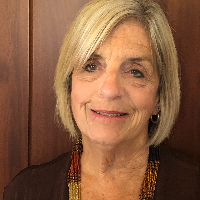
Therapist profile
Cathy Smith, LPC
Licensed Professional Counselor - Relationships and Family Concerns
Continue with CathyAbout
- CBT methods
- Mindfulness
- Client-centered
About Cathy
Cathy Smith is an LPC, a Licensed Professional Counselor, with 18 years of clinical experience in Michigan. She works with adults on stress, anxiety, depression, grief, relationship and parenting concerns, trauma and abuse, addictions, LGBT issues, sleeping and eating problems, and a broad range of life transitions.
She began her career with undergraduate degrees in sociology (criminology) and Spanish, then worked in a residential treatment home for youth with emotional and mental health needs. Later she earned a teaching certificate and a master's in special education and taught in institutional, public, private and alternative settings. Those years of classroom work led her back to university for a master's in counseling psychology and a license as an LPC.
Cathy frames therapy around relationship. She learns about a person’s culture, faith, work and sexual identity before shaping sessions. She says clear limits on the therapist's role help keep work practical and focused. Her style mixes listening with direct tools when appropriate.
Her approach draws from client-centered work, cognitive behavioral therapy, mindfulness, psychodynamic ideas and solution-focused methods. She uses motivational interviewing and psychoeducation when a client needs guidance or clearer skills. The focus stays on building strength from what the person already does well.
Across her career she has supported people with ADHD, autism spectrum traits, caregiver stress, blended family concerns, first responder issues, domestic violence, and aging and geriatric matters. She also addresses abandonment, codependency, communication problems, guilt, shame and forgiveness.
Cathy offers sessions in English and Spanish and accepts international clients. Prospective clients are invited to confirm how sessions are scheduled and proceed with an initial matching questionnaire before booking a first appointment.
How sessions work
Therapeutic approaches and online sessions
Client-centered therapy focuses on listening and following the person’s lead. It helps when someone needs acceptance and a chance to explore feelings at their own pace. Cognitive Behavioral Therapy (CBT) looks at how thoughts and behaviors interact and teaches specific skills to manage anxiety, low mood, sleep problems and unhelpful patterns.Finding the right approach is part of the work. The therapist will collaborate with the client to choose methods that fit their goals and preferences. That may mean starting with listening and life review, then introducing CBT skills or mindfulness practices if they suit the situation.
Confirm the exact online session options before booking, since the biography does not list specific formats. When arranged, online sessions can make it easier to fit therapy around parenting and work. They can allow shorter check-ins on a break, let someone avoid travel time, or be less demanding on bandwidth when video is difficult. Licensed professionals will work with the client to set a practical schedule that fits everyday life.
Areas of focus
Areas of expertise
Primary focus
Also works with
Additional focus areas
Therapeutic approaches
Experience
18+ years
Listed in
Michigan
Languages
English, Spanish
Questions
Frequently asked questions
What types of concerns does she address?
She works with stress, anxiety, depression, trauma and abuse, relationship and parenting concerns, addictions, grief, sleep and eating problems, and many life transitions.
How would you describe her therapeutic style?
Her style is relationship-focused with a mix of listening and practical tools. She draws on client-centered, CBT, mindfulness, psychodynamic and solution-focused methods.
How much clinical experience does she have?
She has 18 years of professional experience, including work in residential treatment, special education, and counseling practice.
What are her credentials and where is she based?
She is an LPC, a Licensed Professional Counselor, practicing in Michigan.
Does she offer sessions in other languages or internationally?
Sessions are offered in English and Spanish, and she accepts international clients.
What session formats are available?
Please confirm current session options before booking, as the biography does not list specific formats.
How much do sessions cost?
Cost varies with location; sessions use a subscription that can be canceled at any time.
How do I get started with her practice?
Begin by selecting the See online therapy options button, complete a short matching questionnaire, and schedule a first session.
Details come from information the therapist supplied to BetterHelp. A license can be checked with the state board.
Online talk therapy is not emergency care. If anyone is in danger, use the crisis numbers.