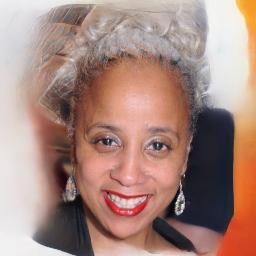
Therapist profile
Cheryl Marrow, LPC, LMFT
LPC and LMFT - relationships and family concerns
Continue with CherylAbout
- Addictions
- Relationship issues
- Stress and anxiety
About Cheryl
Cheryl Marrow is a Licensed Professional Counselor (LPC) and a Licensed Marriage and Family Therapist (LMFT) practicing in the District of Columbia with 25 years of experience. She works with adults facing relationship strain, addiction concerns, stress, anxiety, anger, low self-esteem, and major life changes. Cheryl also focuses on family-related problems and intimacy issues.
She helps people untangle patterns that keep repeating in relationships. That can mean talking through communication problems, commitment worries, or the fallout from infidelity and separation. Cheryl also supports those managing drug and alcohol addiction and the return to stable routines after big life shifts.
Her method draws on several clinical approaches. Client-Centered work keeps the conversation focused on a person's priorities. Cognitive Behavioral Therapy (CBT) looks at how thoughts and behaviors interact. Dialectical Behavior Therapy (DBT) adds concrete skills for emotion regulation and coping.
Cheryl also uses Emotionally-Focused Therapy and elements of the Gottman Method when relationship patterns are central to the concern. In practice she blends talk, skills training, and straightforward exercises to address the immediate problem and the deeper patterns behind it.
She is familiar with issues tied to family of origin, blended families, abandonment, codependency, and the stresses of parenting and midlife. Cheryl accepts clients from outside the U.S., and sessions are conducted in English. To begin, prospective clients complete a short matching questionnaire and schedule the first session.
How sessions work
Therapeutic approaches and how they translate online
Client-Centered Therapy places the client's concerns at the center of sessions and focuses on what the person wants to change. It supports adults who need a listening space to sort priorities and choose next steps. Cognitive Behavioral Therapy (CBT) looks at thinking and behavior patterns and uses short exercises to shift unhelpful habits. It is often helpful for anxiety, stress, and anger. Dialectical Behavior Therapy (DBT) offers concrete skills for emotion regulation, distress tolerance, and better interpersonal interactions. Those skills are practical for people dealing with high emotion or repeated conflict.Finding the right mix of approaches is part of the work. The therapist collaborates with the client to decide which methods to emphasize based on goals and what feels useful. That choice can shift over time as progress is made or new issues arise.
Confirm the available session formats before booking, as the biography did not list specific options. Online sessions can help fit therapy into a busy routine by removing travel time and allowing for shorter check-ins when needed. They also make it possible to continue work across moves or when coordinating with a complex schedule. Ask about format and scheduling when you complete the matching questionnaire so sessions can be arranged to fit daily life.
Areas of focus
Areas of expertise
Primary focus
Also works with
Additional focus areas
Therapeutic approaches
Experience
25+ years
Listed in
District of Columbia
Languages
English
Questions
Frequently asked questions
What kinds of problems does she address?
She works with relationship strain, addictions, stress, anxiety, anger, self-esteem, and life changes. Family-related issues and intimacy concerns are also listed focus areas.
What is her general therapeutic style?
She combines Client-Centered therapy with CBT and DBT techniques. That means conversations focused on the client's goals plus practical skills for thinking and coping differently.
How much clinical experience does she have?
She has 25 years of experience as a practicing therapist. Her work over that time has included relationship and addiction-related concerns.
What credentials and location are listed?
She holds LPC and LMFT credentials and practices in the District of Columbia. The credential abbreviations were expanded above for clarity.
Can people outside the U.S. work with her?
Yes, she accepts international clients. Sessions are offered in English.
What session formats does she offer?
Please confirm current session options before booking, as formats were not specified in the biography. The practice asks new clients to check available session types when scheduling.
How are fees handled?
Cost varies with location and sessions use a subscription model that can be canceled at any time. Specific rates depend on the chosen subscription and location.
How do I get started?
Select the See online therapy options button, complete the short matching questionnaire, and schedule a first session. That starts the intake and scheduling process.
Details come from information the therapist supplied to BetterHelp. A license can be checked with the state board.
Online talk therapy is not emergency care. If anyone is in danger, use the crisis numbers.