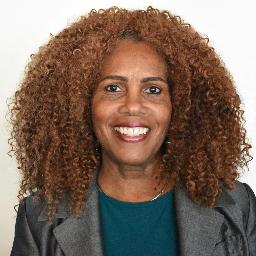
Therapist profile
Cynthia Rumford-Jones, LCSW
Licensed Clinical Social Worker - Family and relationship concerns
Continue with CynthiaAbout
- CBT methods
- DBT skills
- Mindfulness practice
About Cynthia
Cynthia Rumford-Jones is a Licensed Clinical Social Worker (LCSW) in California with 22 years of therapy experience. She focuses on anxiety, depression, stress, anger, relationships, family concerns, parenting, trauma and abuse, grief, eating issues, bipolar disorder, and ADHD. Cynthia also lists work with adoption and foster care, blended family issues, divorce and separation, fatherhood concerns, and related family-of-origin matters.
She approaches sessions from a client-centered perspective. That means conversations aim to reflect what matters most to the person sitting across from her. Cynthia uses cognitive behavioral therapy to look at thoughts and behaviors that keep problems going. She also draws on dialectical behavior therapy and mindfulness techniques to teach practical skills for emotion regulation and tolerance.
Her background includes a Master of Social Work (MSW) from the University of California, Berkeley and decades in social work and human services across public and private sectors. That experience informs her work with people navigating major life changes, parenting strains, grief, and complex family dynamics. She notes specific experience with foster care and adoption-related challenges.
Sessions are interactive and focused on setting clear goals. Cynthia combines problem-solving with skills practice so people can try different ways of coping between visits. She aims to help people reduce immediate distress while building tools for handling similar problems later.
People who choose her often want direct strategies alongside supportive conversation. The practical emphasis is on concrete steps, improved communication, and managing emotions that come up in relationships and family life.
How sessions work
How her approaches translate to online sessions
Client-Centered Therapy focuses on listening and reflecting what matters to the client. In sessions the therapist encourages the person to lead the conversation while offering observations that clarify goals and priorities. This approach helps with relationship and family concerns because it centers the client's experience and choices.Cognitive Behavioral Therapy (CBT) looks at the links between thoughts, feelings, and actions. Online CBT often includes setting clear goals, practicing new behaviors between sessions, and reviewing progress together. It is commonly used for anxiety, depression, stress, and many everyday problems that affect family life.
Dialectical Behavior Therapy (DBT) provides skills for managing intense emotions and improving communication. In practice this means learning short, actionable tools for emotion regulation, distress tolerance, and interpersonal effectiveness that can be used when family tensions rise.
Choosing an approach is collaborative. The therapist will discuss goals, needs, and preferences and help decide which methods to try first. That selection can change over time based on what helps most.
Confirm available session formats before booking, since the biography does not list specific options. Online therapy can make it easier to fit appointments into a busy family schedule, shorten check-ins when needed, and avoid travel time. It can also allow sessions without video when a quieter or lower-bandwidth option is useful. Ask about formats during the matching process to find what works best for everyday life.
Areas of focus
Areas of expertise
Primary focus
Also works with
Additional focus areas
Therapeutic approaches
Experience
22+ years
Listed in
California
Languages
English
Questions
Frequently asked questions
What kinds of concerns does she address?
She works with anxiety, depression, stress, anger, relationship and family issues, parenting, trauma, grief, eating concerns, bipolar disorder, and ADHD.
How would she describe her therapeutic style?
Her approach is client-centered with practical techniques from cognitive behavioral therapy and DBT, plus mindfulness and solution-focused elements.
How much experience does she have?
She has 22 years of therapy experience and additional years in social work and human services.
What credential does she hold and where is she based?
She is a Licensed Clinical Social Worker (LCSW) and practices in California.
Can she work with people in other countries or languages?
Sessions are offered in English and she does not accept international clients at this time.
What session formats are available?
Confirm current session options before booking, as the biography does not list specific formats.
How does payment work or what does therapy cost?
Cost varies with location; sessions use a subscription that can be canceled at any time.
How do I begin working with her?
Select the See online therapy options button, complete the short matching questionnaire, and schedule a first session.
Details come from information the therapist supplied to BetterHelp. A license can be checked with the state board.
Online talk therapy is not emergency care. If anyone is in danger, use the crisis numbers.