About
- CBT methods
- ACT strategies
- DBT skills
About Dana
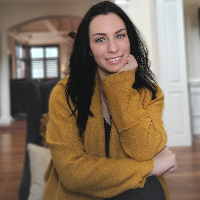
Dana Hall is an Illinois Licensed Clinical Professional Counselor (LCPC) with 20 years of experience. She works with adults who are dealing with stress, anxiety, depression, trauma and abuse, relationship strain, parenting pressures, addiction concerns, grief, and related life changes. She also lists support for issues such as ADHD, intimacy concerns, eating and sleeping problems, and career stress.
Dana draws on practical, skills-based methods in sessions. She uses approaches like Cognitive Behavioral Therapy (CBT) and Acceptance and Commitment Therapy (ACT) to help people notice unhelpful thinking patterns and try different behaviors. She also brings elements of Dialectical Behavior Therapy (DBT) for emotion regulation and interpersonal skills.
Her work history includes two decades in education and mental health settings. Before private practice she served as a crisis management specialist, consultant, educator, and senior supervising therapist. That background informs how she helps people manage urgent stress and ongoing challenges.
Dana describes a direct, transparent style focused on problem solving and skill building. She aims to help people reduce symptoms and find clearer ways to handle daily responsibilities at home and work. Sessions emphasize practical strategies rather than abstract theory.
People seeking help for family and parenting concerns will find that Dana lists those topics among her areas of focus. She also notes experience with trauma work and related approaches. If you want to start, you complete a short matching questionnaire and schedule a first session through the site.
How sessions work
How Dana’s approaches translate to online work
Acceptance and Commitment Therapy (ACT) helps people notice thoughts and feelings without getting stuck in them and then choose actions that match their values. It is useful for anxiety, depression, and coping with life changes. Cognitive Behavioral Therapy (CBT) focuses on identifying unhelpful thinking patterns and trying new behaviors to reduce distress. It is commonly used for anxiety, depression, and sleep or eating concerns. Dialectical Behavior Therapy (DBT) provides concrete skills for emotional regulation, distress tolerance, and better communication in stressful moments. Finding the right approach is something to do together. The therapist will discuss your goals and preferences and try methods that fit your needs. If a technique isn’t working, adjustments are part of the process rather than a fixed plan. The biography does not list specific session formats, so confirm current online options before booking. In general, online work can make it easier to fit therapy into busy days - for example a short check-in can fit into a lunch break, phone sessions need less bandwidth than video, and scheduling without travel can reduce time costs. Licensed professionals can adapt ACT, CBT, and DBT exercises for remote sessions, using practical worksheets, emotion regulation practices, and behavioral experiments that you can do between meetings.Areas of focus
Areas of expertise
Primary focus
Also works with
Additional focus areas
Therapeutic approaches
Experience
20+ years
Listed in
Illinois
Languages
English
Questions
Frequently asked questions
What kinds of concerns does she help with?
She works with stress, anxiety, depression, trauma and abuse, relationship strain, parenting pressures, addictions, grief, and related life changes.
How would you describe her therapeutic style?
Her style is direct and skills-oriented, using clear techniques to help people manage emotions and change unhelpful patterns.
How much clinical experience does she have?
She has 20 years of experience in education and mental health, including roles as a crisis management specialist and supervising therapist.
What are her credentials and where is she based?
She is an Illinois Licensed Clinical Professional Counselor (LCPC) based in Illinois.
Does she offer sessions in other languages or to international clients?
Sessions are offered in English, and she accepts international clients.
What session formats are available?
The original biography does not specify session formats; please confirm current session options before booking.
How much do sessions cost?
Cost varies with location; sessions use a subscription that can be canceled at any time.
How do I get started with her?
Select the See online therapy options button, complete the short matching questionnaire, and schedule a first session.
Details come from information the therapist supplied to BetterHelp. A license can be checked with the state board.
Online talk therapy is not emergency care. If anyone is in danger, use the crisis numbers.