About
- Person-centered approach
- CBT and DBT elements
- Trauma and grief focus
About David
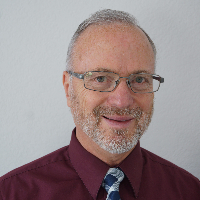
David Martin is a Licensed Clinical Social Worker (LCSW) licensed in Utah and Idaho with 18 years of clinical experience. He has worked in community mental health settings and now provides counseling in a private practice format. He helps people facing stress, anxiety, trauma and abuse, grief, low self-esteem, depression, LGBT concerns, relationship and family strains, parenting pressures, anger, bipolar disorder, and coping with life changes.
He draws on a person-centered approach to begin conversations where the client is. He combines elements of cognitive behavioral therapy, dialectical behavior therapy, and psychodynamic therapy when those tools fit the situation. He describes his role as helping people see how change can benefit their lives and supporting them as they try new ways of coping.
David’s background includes years working with clients who have mental health and substance use challenges in community settings. That experience informed his practical focus on breakable steps and realistic goals. He aims to reduce barriers that keep people from asking for help and to offer steady, nonjudgmental guidance.
In recent years he has shifted much of his work to remote sessions. He found that some people talk more easily by phone, text, or video than in person. He supports people who prefer those options and who need flexible ways to fit counseling into a busy life.
People come to him for help with family-related concerns such as blended family issues, adoption and foster care, family of origin problems, divorce and separation, and parenting strain. He also addresses substance issues, communication problems, attachment concerns, and coping after disasters or traumatic events.
How sessions work
How his approaches translate to online work
David uses a person-centered base and borrows from specific therapies to meet practical needs. Client-Centered Therapy focuses on listening and following the person’s lead, helping people feel heard and plan small steps forward. Cognitive Behavioral Therapy (CBT) looks at how thoughts influence actions and mood, offering tools to test and change habits that worsen anxiety or depression. Dialectical Behavior Therapy (DBT) teaches concrete skills for managing intense emotions and improving emotional regulation, which can help with anger, mood swings, and relationship strain.Choosing the right approach is part of the work together. He assesses needs, goals, and preferences and then agrees on which methods to use. That collaboration helps keep sessions useful and focused on realistic changes the client wants to make.
The biography indicates he has shifted much of his work to remote sessions and that some people prefer phone, text, or video contact. Confirm the specific session formats offered before booking. Online options can make it easier to fit counseling into a workday, allow shorter check-ins when needed, and remove travel time. For some people a phone call is less demanding than video, while video can allow visual cues during therapy. He aims to match the format to the client’s life and therapeutic goals.
Areas of focus
Areas of expertise
Also works with
Additional focus areas
Therapeutic approaches
Experience
18+ years
Listed in
Utah, Idaho
Languages
English
Questions
Frequently asked questions
What kinds of problems does he address?
He works with stress, anxiety, trauma and abuse, grief, depression, low self-esteem, relationship and family concerns, parenting strain, bipolar disorder, and related issues.
How would he describe his therapy style?
He uses a person-centered foundation and adds techniques from CBT, DBT, and psychodynamic therapy when appropriate. Sessions tend to focus on practical steps and understanding patterns.
How much experience does he have?
He has 18 years of counseling experience, including work in community mental health settings with mental health and substance use concerns.
What are his credentials and where is he based?
He is a Licensed Clinical Social Worker (LCSW) licensed in Utah and Idaho and practices from Idaho.
Are sessions offered in other languages or internationally?
Sessions are offered in English, and he accepts international clients.
What session formats are available?
The biography notes use of online and phone-based sessions. Confirm current session options before booking.
How does pricing work?
Cost varies with location; sessions use a subscription that can be canceled at any time.
How do I begin working with him?
Select the See online therapy options button, complete a short matching questionnaire, and schedule a first session.
Details come from information the therapist supplied to BetterHelp. A license can be checked with the state board.
Online talk therapy is not emergency care. If anyone is in danger, use the crisis numbers.