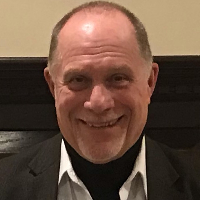
Therapist profile
David Spann, LCSW, LISW
LCSW LISW focusing on family and trauma concerns
Continue with DavidAbout
- Addictions
- Attachment work
- Mindfulness
About David
David Spann is an LCSW (Licensed Clinical Social Worker) and an LISW (Licensed Independent Social Worker) practicing in North Carolina with 29 years of experience. He focuses on concerns such as addiction, trauma and abuse, grief, anxiety, depression, relationship strain, parenting stress, and career questions. David also lists work around compassion fatigue, bipolar and mood disorders, and issues tied to life changes.
He describes his work as practical and relational. He uses approaches that include attachment-based ideas, client-centered conversation, cognitive behavioral tools, DBT skills, mindfulness, and motivational interviewing. Sessions tend to focus on how stressors affect relationships and everyday functioning rather than on abstract theory.
David's background includes outpatient, residential, and hospital settings, and clinical time at a Naval Hospital supporting active duty Marines. That experience informs his attention to how trauma, mental illness, and substance use ripple through family systems and daily life. He also brings years of work in leadership, program development, and teaching.
In practice he emphasizes building stronger communication, addressing codependency and control issues, and working toward clearer boundaries. He also helps people process grief, manage anger, and stabilize mood with concrete strategies drawn from CBT and DBT skills.
Outside clinical work he has run trainings on crisis intervention, grief, communication, and relational topics. He asks prospective clients to use the site sign-up flow to complete a short matching questionnaire and schedule a first session so they can talk about goals and next steps.
How sessions work
Using attachment, CBT, and skills work online
Attachment-based work looks at how past relationship patterns shape current reactions. It helps people notice long-standing habits around trust, closeness, and boundaries and consider different ways of relating. Cognitive Behavioral Therapy (CBT) focuses on identifying unhelpful thoughts and testing them with practical experiments. It is often used for anxiety, depression, and coping with life changes. Dialectical Behavior Therapy (DBT) teaches concrete skills for emotion regulation, distress tolerance, and clearer communication, which can help with anger, mood instability, and relationship conflict.Finding the right approach is part of the process. The therapist will work collaboratively to match methods to the client's goals, needs, and preferences. That might mean mixing attachment-informed conversation with CBT exercises or adding DBT skills practice when emotional regulation is a priority.
Session logistics should be confirmed before booking since formats are not stated in this profile. Online work can make it easier to fit sessions into busy days, allow shorter check-ins, and remove travel time. It can also let people practice skills between sessions and bring everyday relationship problems into conversation more naturally. Prospective clients are encouraged to complete the short matching questionnaire and schedule a first session to review which approaches and session arrangements will best fit their situation.
Areas of focus
Areas of expertise
Primary focus
Also works with
Additional focus areas
Therapeutic approaches
Experience
29+ years
Listed in
North Carolina, Ohio
Languages
English
Questions
Frequently asked questions
What kinds of problems does he help with?
He works with addiction, trauma and abuse, grief, anxiety, depression, relationship and parenting concerns, and related stress and life changes.
What is his therapeutic style like?
He uses attachment-based ideas, client-centered conversation, CBT, DBT skills, mindfulness, and motivational interviewing. Sessions focus on practical skills and relationship patterns.
How much experience does he have?
He has 29 years of clinical experience across outpatient, residential, and hospital settings, including time supporting active duty Marines at a Naval Hospital.
What are his credentials and where is he based?
He holds LCSW and LISW credentials and practices in North Carolina. His licensure is listed as NC LCSW and OH LISW.
Does he offer sessions in other languages or to international clients?
Sessions are offered in English. He is not accepting international clients.
What session formats are offered?
Please confirm current session options before booking by using the sign-up flow; formats are not listed in this profile.
How much do sessions cost?
Cost varies with location and sessions use a subscription model that can be canceled at any time.
How do I begin working with him?
Select the See online therapy options button, complete the short matching questionnaire, and schedule a first session to discuss goals and next steps.
Details come from information the therapist supplied to BetterHelp. A license can be checked with the state board.
Online talk therapy is not emergency care. If anyone is in danger, use the crisis numbers.