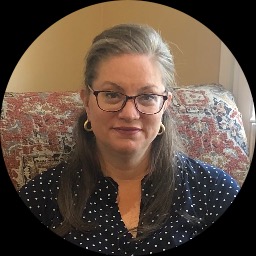
Therapist profile
Deborah Brehm, LPC
Licensed Professional Counselor - Family and parenting concerns
Continue with DeborahAbout
- Attachment-based work
- Emotionally-focused methods
- Gottman-informed techniques
About Deborah
Deborah Brehm is a Licensed Professional Counselor (LPC) practicing in Georgia with 21 years of experience. She lists stress, anxiety, family concerns, trauma and abuse, parenting, compassion fatigue, relationship and intimacy issues, anger, self-esteem, career questions, bipolar disorder, depression, and coping with life changes among the areas she addresses. Deborah also names adoption and foster care, aging and geriatric issues, attachment concerns, blended family issues, caregiver stress, codependency, control issues, disaster-related coping, dissociation, divorce and separation, domestic violence, emptiness, family problems, first responder issues, and forgiveness as additional focuses.
Deborah centers sessions on the person who comes in. She may work on individual issues during appointments and sometimes bring the person’s closest relationships into the conversation when that helps. Sessions aim to identify patterns, improve how people relate to important others, and reduce distress from past events.
Her background includes training in trauma-focused methods and a specialist degree in psychological trauma from Georgia State University. That experience informs how she approaches complex stress and trauma responses. She draws on attachment ideas to look at how early relationships affect current behavior.
In practice she uses client-centered listening to let people set their pace, and emotionally-focused strategies to address relationship and intimacy tensions. She also uses elements from the Gottman Method when relationship patterns are a main concern.
Deborah’s approach tends to be direct and practical. She helps people talk through difficult feelings, try new ways of relating, and make changes that fit everyday life. Sessions are offered in English and Deborah accepts international clients.
How sessions work
How Deborah’s approaches translate to online work
Attachment-Based Therapy looks at how early bonds shape current relationships. It aims to identify patterns of closeness and distance and to help people shift how they connect with others. Client-Centered Therapy focuses on the person in the room, using attentive listening and reflection so clients guide the pace and topics of sessions. Emotionally-Focused Therapy (EFT) concentrates on emotional experiences in relationships and on changing negative interaction cycles that cause pain.Finding the right approach is something Deborah treats as a shared process. She will talk with the client about their goals and preferences, try approaches that fit those goals, and adjust over time based on what helps most. The choice of method is collaborative rather than fixed at the first session.
The biography does not specify exactly which online session formats are used, so confirm current options before booking. In general, online work can make it easier to fit counseling into a busy day. It can reduce commuting time, allow shorter check-ins between commitments, and let people meet from locations that are more convenient. Deborah uses her clinical approaches to guide conversations and exercises in live sessions, with attention to practical ways to apply what is discussed to day-to-day life.
Areas of focus
Areas of expertise
Primary focus
Also works with
Additional focus areas
Therapeutic approaches
Experience
21+ years
Listed in
Georgia
Languages
English
Questions
Frequently asked questions
What kinds of family or parenting issues does she address?
She lists family problems, parenting stress, blended family issues, adoption and foster care, and caregiver stress among her focus areas.
How would you describe her therapeutic style?
She uses client-centered listening and emotionally-focused techniques, with attention to attachment dynamics and relationship patterns.
How much clinical experience does she have?
She has 21 years of experience working in counseling and trauma-related practice.
What are her credentials and where is she based?
She is a Licensed Professional Counselor (LPC) licensed in Georgia.
Can sessions be conducted in other languages or from other countries?
Sessions are offered in English and she accepts international clients.
What session formats are offered?
The original biography does not list specific session formats; please confirm current session options before booking.
How are costs handled for sessions?
Cost varies by location and sessions use a subscription that can be canceled at any time.
How do I begin working with her?
Select the See online therapy options button, complete the short matching questionnaire, and schedule a first session.
Details come from information the therapist supplied to BetterHelp. A license can be checked with the state board.
Online talk therapy is not emergency care. If anyone is in danger, use the crisis numbers.