About
- Stress and anxiety
- Trauma and abuse
- Parenting support
About Deborah
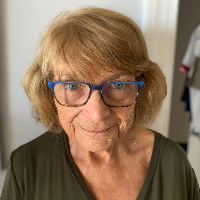
Deborah Hilyard is a Florida LMHC with 34 years of clinical experience. She completed a graduate degree in counseling at the University of Memphis in 1988 and has worked across community, military, and child welfare settings. Her practice focuses on stress, anxiety, trauma and abuse, depression, relationship and family concerns, parenting, grief, and related issues.
Her early work included career counseling at the university level and program development for U.S. Air Force and U.S. Navy family centers. In those roles she provided counseling to service members and their families facing separation, transition, and the frequent stresses of military life. She also carried out assessments for children in the foster care system and consulted with caregivers and guardians.
Deborah typically uses client-centered methods alongside cognitive behavioral techniques. She has experience with EMDR and mindfulness approaches and draws on motivational interviewing when people need help finding direction. Sessions tend to be conversational and practical, with an emphasis on skills people can use between meetings.
She has supported people dealing with anger, addictions, intimacy concerns, eating and sleeping problems, ADHD, caregiver strain, adoption and attachment issues, and the fallout from domestic violence and divorce. Her background includes work with survivors of emotional, physical, and sexual abuse and with those coping with major life transitions.
Her style is interactive and respectful. She avoids stigmatizing labels and focuses on clear goals and workable steps. For next steps, a short matching questionnaire is used to schedule an initial session and determine fit.
How sessions work
Approaches used in online sessions
Deborah uses client-centered therapy to keep conversations focused on the person's experience and goals. That approach emphasizes listening, clarifying what matters, and working at a sensible pace to address day-to-day concerns.She also uses cognitive behavioral therapy, which looks at patterns of thought and behavior and teaches practical skills to reduce anxiety, manage mood, and improve functioning. EMDR is part of her toolkit when trauma memories are a central issue; it is used to help process distressing events and reduce their hold on daily life.
Choosing the right approach is a collaborative process. The therapist will talk with the person about goals and preferences, then suggest methods that fit those aims. Changes can be made as therapy progresses to find what helps most.
If you want to know which session formats are offered, confirm the current options before booking. This profile does not assume any specific format. In general, online sessions can make it easier to fit meetings into work or family schedules, allow shorter check-ins when needed, and eliminate travel time so people can keep therapy consistent with their everyday routines.
Areas of focus
Areas of expertise
Primary focus
Also works with
Additional focus areas
Therapeutic approaches
Experience
34+ years
Listed in
Florida
Languages
English
Questions
Frequently asked questions
What kinds of problems does she work with?
She works with stress, anxiety, trauma and abuse, depression, relationship and family concerns, parenting issues, grief, and related problems listed in the profile.
What is her therapeutic style?
She uses a client-centered approach with practical tools from cognitive behavioral therapy, EMDR, mindfulness, and motivational interviewing as appropriate.
How much experience does she have?
She has 34 years of experience, including work in university career counseling, military family centers, and the foster care system.
Where is she licensed and based?
She is a Florida LMHC and practices from Florida.
In which language are sessions offered?
Sessions are offered in English only.
Can people outside the United States work with her?
International clients are not currently accepted.
How are sessions billed and what do they cost?
Cost varies with location and sessions use a subscription that can be canceled at any time.
How do I begin a first session?
Choose the See online therapy options button, complete a short matching questionnaire, and schedule your first session.
Details come from information the therapist supplied to BetterHelp. A license can be checked with the state board.
Online talk therapy is not emergency care. If anyone is in danger, use the crisis numbers.