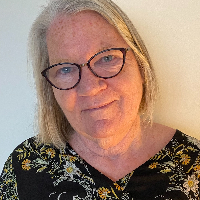
Therapist profile
Ellen Walker, LICSW
LICSW - Family and parenting, stress and grief
Continue with EllenAbout
- Family and parenting
- CBT and solution-focused
- Motivational interviewing
About Ellen
Ellen Walker is a Licensed Independent Clinical Social Worker (LICSW) practicing in the District of Columbia with 30 years of experience. She focuses on family and parenting concerns along with issues such as stress, anxiety, depression, trauma and relationship problems. Ellen also works with people coping with grief, addiction, caregiving strain, and life transitions.
She uses an eclectic approach and draws on a few main methods to match what each person needs. Sessions typically begin by getting to know the person and the problems that brought them in. Ellen aims to build a collaborative relationship based on honesty, respect, and clear communication.
In practical terms she often uses Cognitive Behavioral Therapy to look at thoughts and behaviors that keep problems active. She also uses Solution-Focused strategies to set concrete, short-term goals and Motivational Interviewing to help people find their own reasons to change. Trauma-focused methods are part of her work when past events are central to current trouble.
Many people meet with her weekly for about 45 minutes while they work on immediate coping and longer term change. She is comfortable using video early on so the pair can connect, and she can also interact by phone or text when that better suits the person. Ellen accepts international clients and works in English.
Her background includes decades in mental health and child welfare settings, where she developed experience with a wide range of family-related and individual concerns. She encourages direct, practical steps alongside reflective conversation to help people manage life at home and at work.
How sessions work
How her approaches translate to online work
Client-Centered Therapy focuses on listening, reflecting, and building a cooperative relationship. It helps when someone needs a practical and respectful listener to sort out family and parenting pressures. Cognitive Behavioral Therapy (CBT) looks at the links between thoughts, feelings, and behaviors and is useful for anxiety, depression, stress, and daily parenting challenges. Motivational Interviewing helps people clarify their own reasons for change and make step-by-step plans, which can be helpful for addiction, procrastination, or sticking to new routines.Figuring out which approach to use is part of the work. The therapist will talk with the person about goals, preferences, and life demands and together decide which methods fit best. That choice can shift over time as needs change and progress is made.
The therapist has indicated a preference for beginning by meeting on video so the pair can get to know each other, and she is also available by phone and text when that format better fits someone’s day. If you need to fit sessions around work, caregiving, or other responsibilities, check the current session options before booking so you know which formats are offered. Online work can make it easier to keep weekly 45-minute visits, add short check-ins, or avoid travel time, helping therapy fit into a busy schedule.
Areas of focus
Areas of expertise
Primary focus
Also works with
Additional focus areas
Therapeutic approaches
Experience
30+ years
Listed in
District of Columbia
Languages
English
Questions
Frequently asked questions
What kinds of family and parenting problems does she address?
She works with issues such as blended family challenges, communication problems, caregiver stress, adoption and foster care concerns, and conflicts that affect daily life at home.
What is her general approach in sessions?
She uses an eclectic, client-centered style and often applies Cognitive Behavioral Therapy, Solution-Focused techniques, and Motivational Interviewing to help set goals and change unhelpful patterns.
How much experience does she have with complex issues?
She has three decades of experience working in mental health and child welfare settings and has supported people with trauma, addiction, grief, and long-term caregiver strain.
Where is she licensed and what credential does she hold?
She is a LICSW licensed in the District of Columbia. The credential is listed as LICSW.
Can people use sessions in languages other than English?
Sessions are offered in English.
Are international clients accepted?
Yes. She accepts international clients; confirm any cross-border details before scheduling.
How are sessions scheduled and what does cost look like?
Cost varies with location and services use a subscription model that can be canceled at any time. Confirm rates and billing details when you sign up.
What steps do I take to begin working with her?
Select the See online therapy options button, complete a short matching questionnaire, and schedule your first session after the match is confirmed.
Details come from information the therapist supplied to BetterHelp. A license can be checked with the state board.
Online talk therapy is not emergency care. If anyone is in danger, use the crisis numbers.