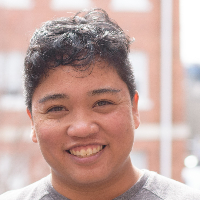
Therapist profile
Faith Beaulieu, LCMHC
Licensed Clinical Mental Health Counselor - Family and parenting related concerns
Continue with FaithAbout
- Somatic methods
- Mindfulness practice
- Existential perspective
About Faith
Faith Beaulieu is a Licensed Clinical Mental Health Counselor (LCMHC) practicing in North Carolina with ten years of experience. She uses somatic approaches alongside other therapies to help people who are dealing with stress, anxiety, grief, relationship strain, trauma, and other life changes. Faith also lists work with LGBT concerns, eating and intimacy-related issues, ADHD, bipolar mood concerns, and compassion fatigue.
Faith prefers short blocks of work for many clients. She often structures care around four to eight sessions when someone wants focused, experiential work or help navigating a recent life change. If goals and schedules align after that, she may discuss continuing care.
Her style blends somatic techniques with mindfulness and existential perspectives. She moves between talking, body-based exercises, and concrete coping skills when the situation calls for them. She uses everyday language, occasional humor, and sometimes strong language while working intuitively and experientially.
She identifies as queer, BIPoC, and neurodivergent, and notes interests outside therapy such as climbing and travel. Faith welcomes people who feel drawn to her approach, including other therapists and those involved in climbing culture.
Background and approach: Faith also brings attention to specific life contexts such as adoption and foster care, blended family concerns, family of origin issues, disability and chronic illness, first responder experiences, BDSM and kink communities, and gender dysphoria. She teaches coping skills on request and adapts methods to a person’s goals. Sessions may combine talking and hands-on experiential tasks when appropriate, and she emphasizes practical steps alongside somatic awareness.
How sessions work
How her approaches translate to online work
Faith uses somatic methods, mindfulness practice, and existential ideas in her work. Somatic work focuses on bodily sensations and movement to help people notice how stress or trauma shows up in the body; it can be helpful for anxiety, trauma responses, and tension. Mindfulness practice teaches simple attention skills and breathing or grounding techniques to reduce reactivity and manage strong emotions. Existential approaches look at meaning, choice, and values to help when people face life transitions, identity questions, or feelings of disconnection.Finding the right mix of these approaches is part of the process. She will collaborate with each person to decide which methods fit their goals and preferences. That means she may introduce mindfulness exercises one week, then try a somatic practice or an existential conversation the next, and adjust as needed.
The original biography does not list specific online session formats. Please confirm current session options before booking. Online work can still offer practical benefits: it can fit into busy days, make scheduling shorter check-ins easier, and reduce travel time. Many people use remote sessions to keep continuity while managing work, caregiving, or health demands. The therapist will discuss how to shape sessions to fit everyday life and the goals you bring.
Areas of focus
Areas of expertise
Primary focus
Also works with
Additional focus areas
Therapeutic approaches
Experience
10+ years
Listed in
North Carolina
Languages
English
Questions
Frequently asked questions
What kinds of concerns does she address related to family life?
She lists family problems, blended family issues, family of origin issues, parenting strain and related relationship concerns among her focus areas.
How would you describe her therapeutic style?
She blends somatic work, mindfulness, and existential ideas, mixing talk with body-based exercises and practical coping skills when useful.
How much clinical experience does she have?
She has ten years of experience as a clinician working with a range of concerns from anxiety and depression to trauma and relationship issues.
What credential does she hold and where is she based?
She is an NC LCMHC, which means Licensed Clinical Mental Health Counselor in North Carolina.
Can I work with her if I live outside the United States?
Sessions are offered in English and she does accept international clients; confirm any licensing or regional rules that apply before booking.
What session formats are available?
The original profile does not list specific session formats. Please confirm the current session options before scheduling.
How does pricing work for sessions?
Cost varies with location and sessions use a subscription model that can be canceled at any time.
How do I begin working with her?
Use the See online therapy options button, complete the short matching questionnaire, and schedule a first session.
Details come from information the therapist supplied to BetterHelp. A license can be checked with the state board.
Online talk therapy is not emergency care. If anyone is in danger, use the crisis numbers.