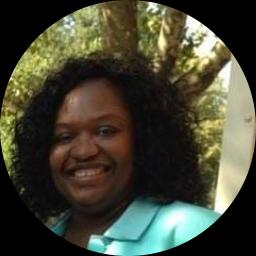
Therapist profile
Prof. Florence Chichester, LMHC
LMHC in New York - Family and parenting concerns
Continue with FlorenceAbout
- Attachment-based work
- CBT techniques
- Emotion-focused care
About Florence
Prof. Florence Chichester is a New York LMHC with 15 years of clinical experience. She helps people who are dealing with anxiety, depression, addiction, stress, and parenting strains. She also supports adults facing grief, trauma and abuse, self-esteem problems, and life changes.
She uses methods grounded in attachment work and client-centered care. Sessions tend to focus on improving communication, managing intense feelings, and building more reliable routines. Florence guides people through practical steps as well as reflective conversations about beliefs and relationships.
Her background includes extended work with adults who face workplace pressure, blended family issues, caregiving stress, and adoption or foster care concerns. She also works with people affected by chronic illness, neurodiversity such as autism spectrum conditions, and personality-related difficulties like avoidant or antisocial patterns.
Therapy combines cognitive behavioral techniques with emotionally focused and existential ideas. That mix helps with problem-focused work such as sleep and eating difficulties, and with deeper questions about meaning, attachment, and intimacy. Florence aims to help people spot patterns that cause repeated conflict and try new ways of relating.
Sessions are practical and conversational. Expect to talk through recent problems, try small behavioral experiments between meetings, and reflect on how past relationships shape current reactions. The emphasis is on steady change you can notice in day-to-day life.
How sessions work
Therapeutic approaches and online sessions
Attachment-Based Therapy focuses on how early relationship patterns affect current reactions. It looks at how trust, closeness, and fear of abandonment show up in adult relationships and helps people develop more secure ways of connecting.Client-Centered Therapy centers conversations on the person's experience. The therapist listens, reflects, and supports the person's own process of deciding what matters and which changes to try. This approach is useful for people sorting grief, life transitions, and identity questions.
Finding the right approach is a collaborative process. Florence will work with each person to match techniques and goals, adjusting the mix of reflective talk, behavior experiments, and emotion-focused work as needs change over time.
Confirm current session options before booking since the original biography does not list specific formats. Online sessions can make it easier to fit therapy into busy days, shorten travel time, and allow shorter check-ins when schedules are tight. They also let people avoid being on camera when they prefer phone-only conversations or use lower bandwidth connections. These practical benefits help integrate therapy into everyday life without promising a particular format.
Areas of focus
Areas of expertise
Primary focus
Also works with
Additional focus areas
Therapeutic approaches
Experience
15+ years
Listed in
New York
Languages
English
Questions
Frequently asked questions
What kinds of family or parenting concerns are addressed?
She helps individuals with parenting stress, blended family challenges, communication problems, and caregiving strain.
How would you describe her approach in sessions?
Sessions mix client-centered conversations with cognitive behavioral steps and attachment-focused reflection to address patterns and practical problems.
How much clinical experience does she have?
Florence has 15 years of experience working with adults on issues such as anxiety, depression, trauma, and life transitions.
What credential does she hold and where is she based?
She is an LMHC licensed in New York and conducts practice from that location.
Are sessions offered in other languages or to international clients?
Sessions are offered in English. She does not accept international clients at this time.
What formats are used for sessions?
Please confirm current session options before booking, as the biography does not specify which formats are offered.
How is cost handled for therapy?
Cost varies with location; sessions use a subscription that can be canceled at any time.
How do I begin working with her?
Select the See online therapy options button, complete a short matching questionnaire, and schedule a first session.
Details come from information the therapist supplied to BetterHelp. A license can be checked with the state board.
Online talk therapy is not emergency care. If anyone is in danger, use the crisis numbers.