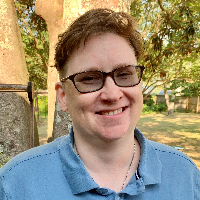
Therapist profile
Heather Scarboro, LCMHC
Licensed counselor - Family and parenting topics
Continue with HeatherAbout
- Emotion regulation skills
- Trauma and dissociation
- Expressive arts methods
About Heather
Heather Scarboro is a Licensed Clinical Mental Health Counselor (LCMHC) in North Carolina with 10 years of experience. She works with adults facing stress, anxiety, addictions, trauma and abuse, depression, relationship and family concerns, grief, intimacy-related issues, anger, self-esteem, career questions, bipolar disorder, and ADHD. Heather also notes work around compassion fatigue, coping with life changes, and coaching for practical next steps.
Heather uses a collaborative, person-focused style. She draws on Client-Centered Therapy to listen and build what matters most to each person. She also uses Dialectical Behavior Therapy (DBT) skills for emotion regulation and Emotionally-Focused Therapy (EFT) ideas when attachment and closeness are central concerns.
Her background includes clinical work across elder care, community mental health, university students, the LGBTQIAP+ community, plural communities, and frontline workers. She has long experience supporting people with traumagenic conditions and dissociative disorders and has personal lived experience that shapes her perspective.
In practice she may include EMDR and clinical hypnosis alongside mindfulness-based cognitive behavioral strategies and expressive arts techniques. That means sessions often blend talk with practical skills, grounding practices, and creative ways to process difficult memories or feelings.
Outside of clinical work she writes, speaks, and advocates about dissociative identity issues. She also enjoys music, dance, and songwriting, and sometimes integrates expressive methods into clinical work when it fits the client's goals.
How sessions work
How therapeutic approaches translate to online work
Client-Centered Therapy focuses on listening and building a collaborative relationship. Online sessions using this approach usually involve open conversation, clarifying what matters most, and setting simple goals to work toward. This is helpful for stress, relationship worries, and life transitions.Dialectical Behavior Therapy, or DBT, teaches concrete skills for managing strong emotions and reducing reactivity. In online sessions that can mean practicing grounding exercises, learning distress-tolerance tools, and rehearsing communication techniques to use at home or work.
Emotionally-Focused Therapy centers on attachment and emotional patterns in relationships. Online work can identify repeated interaction cycles and try new ways of expressing feelings so clients can improve closeness and understanding in their important relationships.
Choosing an approach is collaborative. Heather will work with each person to decide which methods fit their goals and preferences. That choice can shift over time as needs change, and sessions are adapted accordingly.
The original biography did not specify session formats, so confirm current options before booking. Online therapy can make it easier to fit appointments into daily life, reduce travel time, and allow a mix of skill practice and talk-focused work. It also lets people try techniques in the settings where they need them most.
Areas of focus
Areas of expertise
Primary focus
Also works with
Additional focus areas
Therapeutic approaches
Experience
10+ years
Listed in
North Carolina
Languages
English
Questions
Frequently asked questions
What kinds of concerns does she address?
She works with stress, anxiety, addictions, trauma and abuse, depression, relationship and family issues, grief, intimacy concerns, anger, self-esteem, bipolar disorder, ADHD, and related areas.
What is her therapeutic style like?
She uses a collaborative, client-centered approach with practical skills from DBT and emotion-focused methods. Sessions can include grounding, skills practice, and creative techniques.
How much experience does she have?
Heather has 10 years of professional experience working in settings such as elder care, community mental health, university counseling, and with LGBTQIAP+ and frontline communities.
What are her credentials and where is she based?
She is an LCMHC licensed in North Carolina and practices from that state.
Can I work with her if I live outside the United States?
Sessions are offered in English and she accepts international clients; confirm any cross-border details when arranging care.
What session formats does she offer?
The original biography did not list specific session formats. Please confirm current session options before booking.
How does payment work?
Cost varies by location and sessions use a subscription that can be canceled at any time.
How do I get started?
Select the See online therapy options button, complete a short matching questionnaire, and schedule a first session.
Details come from information the therapist supplied to BetterHelp. A license can be checked with the state board.
Online talk therapy is not emergency care. If anyone is in danger, use the crisis numbers.