About
- CBT techniques
- DBT skills
- Motivational interviewing
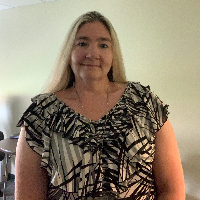
About Julie
Julie Fahlmann is an LCSW (Licensed Clinical Social Worker) licensed in New York with three years of clinical experience. She helps adults who are dealing with stress, anxiety, addictions, trauma and abuse, parenting concerns, depression, relationship strain, grief, low self-esteem, bipolar disorder, and ADHD. Sessions are in English and she does not accept international clients.
Julie uses straightforward, practical methods in session. She emphasizes talking through current problems and building skills you can use between appointments. Expect a mix of short-term strategies and deeper work aimed at changing patterns that keep problems repeating.
Her main approaches include client-centered work, cognitive behavioral techniques, dialectical behavior skills, motivational interviewing, and solution-focused methods. That combination lets her help with symptom management, motivation for change, and improving daily coping. Sessions often focus on specific steps you can try right away.
Julie trained in social work and holds an LCSW credential in New York. Before moving into private practice she worked in a range of settings, including hospital, outpatient, addiction services, schools, corrections, and homecare. That varied background informs how she sees practical barriers and supports to change.
People who come for help often need manageable tools for parenting stress, stronger communication at home, or help stopping patterns tied to addiction and trauma. Julie asks about your goals and helps pick approaches that fit what you need. To begin, you follow the site's matching steps and schedule an initial session.
How sessions work
How her approaches translate to online sessions
Client-centered therapy focuses on your concerns and priorities. The therapist listens closely and follows what matters most to you, helping you set clear goals and make decisions that fit your life.Cognitive Behavioral Therapy (CBT) looks at how thoughts, feelings, and actions connect. It uses concrete exercises and skill practice to reduce symptoms like anxiety or depression and to change unhelpful habits.
Dialectical Behavior Therapy (DBT) offers practical skills for managing strong emotions and improving relationships. It teaches attention to the present moment, distress tolerance, and techniques for steadier communication.
Finding the right mix of approaches is part of the work. The therapist will collaborate with each person to decide which methods fit their goals, needs, and preferences. That means adjusting strategies if something is not working and adding different tools over time.
Confirm which session formats are available before booking, since the biography does not list specific options. Online sessions can make it easier to fit appointments into a busy week, allow for shorter check-ins when needed, and remove the time needed to travel to an office. Talk with the therapist during the initial match and scheduling steps about what timing and format best fit daily life.
Areas of focus
Areas of expertise
Primary focus
Also works with
Additional focus areas
Therapeutic approaches
Experience
3+ years
Listed in
New York
Languages
English
Questions
Frequently asked questions
What kinds of family or parenting problems does she help with?
She supports adults who are managing parenting strain, communication problems within family relationships, grief related to family loss, and the effects of trauma on family life.
How would she describe her therapeutic style?
She blends client-centered conversations with practical skills from CBT and DBT, plus brief solution-focused steps. The focus is on clear goals and usable strategies.
How much clinical experience does she have?
She has three years of clinical experience as an LCSW in New York, and prior work across hospital, school, addiction, and corrections settings informs her perspective.
What are her credentials and where is she based?
She is an LCSW licensed in New York and practices from that location. Sessions are conducted in English.
Can I work with her if I live outside the United States?
She does not accept international clients. Sessions are offered in English to clients located within her permitted region.
What session formats does she offer?
Please confirm current session options before booking, as the biography does not specify which formats are offered through the platform.
How much do sessions cost?
Cost varies with location. Sessions use a subscription that can be canceled at any time; check the platform for exact pricing details.
How do I begin working with her?
Select the See online therapy options button, complete the short matching questionnaire, and then schedule your first session.
Details come from information the therapist supplied to BetterHelp. A license can be checked with the state board.
Online talk therapy is not emergency care. If anyone is in danger, use the crisis numbers.