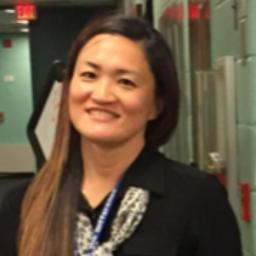
Therapist profile
Kumi Pledger, LCPC
LCPC counselor - Family and parenting issues
Continue with KumiAbout
- Attachment focus
- CBT and DBT skills
- Mindfulness and imagery
About Kumi
Kumi Pledger is an LCPC (Licensed Clinical Professional Counselor) practicing in Maryland with ten years of experience. She focuses on common life problems that often show up at home, such as stress, anxiety, sleep problems, parenting strain, relationship and intimacy issues, grief, and mood concerns including bipolar disorder. Kumi also lists work with trauma and addiction, LGBT-related issues, and family concerns.
She works in a straightforward, person-centered way and uses tools drawn from attachment-based ideas, CBT, DBT, and emotionally-focused approaches. Sessions tend to emphasize practical skills for coping, clearer communication, and noticing patterns that come from early relationships. She also weaves in mindfulness and guided imagery when those tools fit.
Kumi often helps people untangle family of origin issues, fatherhood concerns, divorce and separation stress, and caregiver burnout. She pays attention to abandonment and attachment issues that can shape how adults relate now. For people facing disruptive mood patterns, trauma, or recovery from domestic violence, she offers focused support aimed at stabilizing everyday life.
She speaks English and Japanese and accepts international clients. Cost varies by location and sessions use a subscription that can be canceled at any time. To begin, prospective clients are asked to select the See online therapy options button, complete a short matching questionnaire, and schedule a first session.
Background and approach: Kumi blends client-centered listening with targeted techniques. That means she listens for what matters most to the client and then introduces coping strategies - breathing, grounding, thought work, and emotion regulation - that can be practiced between sessions. She frames goals in clear, manageable steps and reviews progress regularly. Her focus is on making small changes that reduce daily strain and improve relationships at home.
How sessions work
How her approaches translate to online work
Attachment-based work looks at patterns that began in early relationships and how those patterns affect current connections; online sessions can be used to notice and change those patterns through reflective conversation and exercises. Client-centered therapy focuses on clear listening and the client's goals, with the therapist offering support and questions to help clarify what to work on next. Cognitive Behavioral Therapy (CBT) teaches practical steps to change unhelpful thoughts and behaviors, such as sleep routines, worry management, and small behavioral experiments.Finding the right blend of these methods is part of the process. The therapist will collaborate with the client to choose which approaches suit the presenting concerns, goals, and day-to-day life. That may mean starting with skill-building from CBT, then shifting to attachment work to address deeper relationship patterns.
The original biography does not specify session formats, so confirm the current online options before booking. Online work can make it easier to fit therapy into a busy household - for example sessions can save commute time, allow shorter check-ins during a break, or avoid the need to be on camera if that feels better. Licensed professionals can use these options to help clients practice skills in the context of everyday life and support ongoing progress without requiring in-person visits.
Areas of focus
Areas of expertise
Also works with
Additional focus areas
Therapeutic approaches
Experience
10+ years
Listed in
Maryland
Languages
English, Japanese
Questions
Frequently asked questions
What kinds of family or parenting concerns does she address?
She works with parenting strain, family problems, fatherhood issues, family of origin concerns, divorce and separation, and communication problems.
How would she describe her therapeutic style?
She uses a client-centered approach combined with attachment-based ideas and practical skill work from CBT and DBT.
How much experience does she have?
Kumi has ten years of clinical experience practicing as an LCPC in Maryland.
What are her credentials and where does she practice?
She holds the LCPC credential in Maryland and lists Maryland as her practice location.
Does she offer sessions in languages other than English?
Sessions are offered in English and Japanese.
What session formats does she provide?
The original biography does not list specific session formats. Confirm current session options before booking.
How much do sessions cost?
Cost varies with location and sessions use a subscription that can be canceled at any time.
How do I get started with her services?
Select the See online therapy options button, complete a short matching questionnaire, and schedule a first session.
Details come from information the therapist supplied to BetterHelp. A license can be checked with the state board.
Online talk therapy is not emergency care. If anyone is in danger, use the crisis numbers.