About
- Stress and anxiety
- Parenting support
- CBT and DBT methods
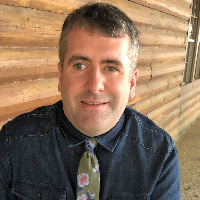
About Lannie
Lannie Cox is a Licensed Professional Counselor (LPC) in Texas with three years of clinical experience. He focuses on stress, anxiety, relationship and parenting concerns, and other issues people bring when life feels stuck.
He listens first and helps people name what is not working. Sessions tend to be direct and practical. He aims to help people find steps they can try between meetings rather than only talking about problems.
His background includes a master’s degree in Clinical Mental Health Counseling from West Texas A&M University and a 15-year career in corporate communications and public relations. That combination shapes a practical, results-focused style. He notes lived experience as a husband and father informs his view of everyday family pressures.
Lannie draws on approaches such as Cognitive Behavioral Therapy, Dialectical Behavior Therapy, Emotionally-Focused Therapy, the Gottman Method, and mindfulness. He uses tools from these approaches to address things like communication problems, blended family issues, fatherhood concerns, grief, addiction, and coping with life changes.
In sessions he aims to bring clear listening, encouragement, and straightforward problem-solving. He invites clients to test small changes and then review what helps. He also mentions a Seeing Eye dog named Abbott, who sometimes lightens the mood during appointments.
How sessions work
How therapeutic approaches guide online sessions
CBT, or Cognitive Behavioral Therapy, focuses on identifying unhelpful thoughts and testing small behavior changes. It is often used for anxiety, depression, sleep and anger problems. DBT, or Dialectical Behavior Therapy, teaches practical skills for regulation, distress tolerance and clearer communication. It can be useful for impulsivity, mood swings, and strong emotional reactions. Emotionally-Focused Therapy helps people notice patterns in emotional responses and in turn change how they connect and respond in close relationships.Choosing the right approach is part of the work. The therapist will talk with each client about goals and preferences, and together they will try methods that fit the issue at hand. That collaborative process means techniques can shift as needs change.
Session formats should be confirmed before booking. Please check which options are currently offered when you schedule. Online work can make it easier to fit therapy into day-to-day life by reducing travel, allowing shorter check-ins, or offering sessions during breaks. Licensed professionals can use these approaches to help people practice skills, rehearse conversations, and review progress between meetings.
Areas of focus
Areas of expertise
Primary focus
Also works with
Additional focus areas
Therapeutic approaches
Experience
3+ years
Listed in
Texas
Languages
English
Questions
Frequently asked questions
What kinds of concerns does he help with?
He works with stress, anxiety, relationship and parenting concerns along with a wide range of issues such as depression, addictions, trauma, grief, ADHD, and family problems.
How would you describe his therapeutic style?
He listens carefully and uses a practical, direct approach focused on steps you can try between sessions. He mixes talking with skill-building from approaches like CBT and mindfulness.
What is his background and experience?
He has three years of clinical experience and a master’s in Clinical Mental Health Counseling. He also spent 15 years working in corporate communications and public relations.
What credential does he hold and where is he based?
He is a Licensed Professional Counselor (LPC) licensed in Texas and practices from that state.
What languages are sessions offered in?
Sessions are offered in English.
Can international clients work with him?
He accepts international clients. Confirm any time zone considerations when scheduling.
How are sessions billed and what does it cost?
Cost varies with location and sessions use a subscription that can be canceled at any time.
How do I get started with a first session?
Select the See online therapy options button, complete the short matching questionnaire, and schedule a first session.
Details come from information the therapist supplied to BetterHelp. A license can be checked with the state board.
Online talk therapy is not emergency care. If anyone is in danger, use the crisis numbers.