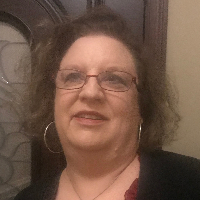
Therapist profile
Marguerite Wilcox, LCSW
LCSW - Family and parenting focus
Continue with MargueriteAbout
- Cognitive behavioral tools
- Mindfulness practices
- Homework between sessions
About Marguerite
Marguerite Wilcox is a Licensed Clinical Social Worker (LCSW) practicing in Louisiana with 33 years of experience in social work and over 20 years in psychotherapy. She focuses on stress, anxiety, family and parenting concerns, along with depression, trauma, addiction, grief, anger, relationship and intimacy-related issues. She also works with people facing ADHD, bipolar symptoms, career strain, and coping with life changes.
Wilcox uses a cognitive behavioral framework that links thoughts and actions. She places value on mindfulness and awareness during sessions. She may suggest practices or exercises to try between meetings to build new habits and track progress.
Her approach can also draw on client-centered work and elements from dialectical behavior therapy and EMDR when those methods match a person's needs. Sessions tend to emphasize practical skills, clearer communication, and manageable steps toward goals. She encourages clients to contribute ideas about what helps them.
Wilcox has experience supporting people dealing with blended family challenges, family-of-origin concerns, caregiving stress, codependency, domestic violence, substance issues, and aging-related matters. She has worked in community and hospital settings and has helped individuals, couples, and families navigate difficult transitions.
People who choose her often want straightforward, skills-focused support for everyday life and relationships. She includes homework and simple practices to make progress between sessions. To begin, prospective clients follow the listing's booking steps to match and schedule a first session.
How sessions work
How therapy approaches translate to online sessions
Client-centered work focuses on the person's experience. The therapist listens and supports the person's own goals, helping them decide what matters most. This approach is useful for sorting through relationship strain and parenting stress and for deciding practical next steps.Cognitive behavioral therapy looks at links between thoughts, feelings, and actions. Online sessions often include concrete exercises and short homework tasks to practice new behaviors. This method is commonly used for anxiety, depression, anger, and coping with life changes.
Dialectical behavior therapy supplies skills for handling strong emotions and improving communication. In online sessions these skills can be practiced and reviewed with guidance, which can help with relationship tensions and stress management.
Choosing an approach is a collaborative process. The therapist will talk with the client about goals, preferences, and what has helped or not helped before. Together they will try methods and adjust the plan based on what works in practice.
The original profile does not list specific session formats, so confirm the available options before booking. Online work can make it easier to fit sessions into busy routines, allow shorter check-ins when time is limited, and remove commuting time. These practical benefits help people integrate therapy into everyday life without changing their schedule drastically.
Areas of focus
Areas of expertise
Primary focus
Also works with
Additional focus areas
Therapeutic approaches
Experience
33+ years
Listed in
Louisiana
Languages
English
Questions
Frequently asked questions
What kinds of family or parenting worries does she address?
She works with adults on family and parenting concerns such as blended family issues, communication problems, caregiver stress, and family of origin matters.
What therapy style does she use in sessions?
Her primary model is cognitive behavioral therapy, with attention to mindfulness and awareness. She also draws on client-centered work and DBT skills when helpful.
How much clinical experience does she have?
She has 33 years in social work and more than 20 years providing psychotherapy in community and hospital settings.
What credential and region does she practice in?
She is a Licensed Clinical Social Worker (LCSW) practicing in Louisiana.
Can she work with non-English speakers or international clients?
Sessions are offered in English. She is not currently accepting international clients.
Which session formats does she offer?
The original profile does not specify session formats. Confirm current session options before booking.
How are fees handled?
Costs vary with location; sessions use a subscription that can be canceled at any time.
What are the first steps to start working together?
Use the listing's See online therapy options button, complete the short matching questionnaire, and schedule a first session.
Details come from information the therapist supplied to BetterHelp. A license can be checked with the state board.
Online talk therapy is not emergency care. If anyone is in danger, use the crisis numbers.