About
- Acceptance and Commitment Therapy
- Cognitive Behavioral Therapy
- Attachment-Based work
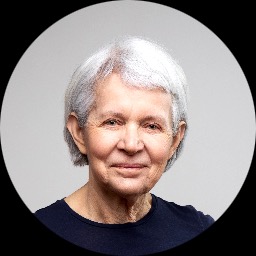
About Mary
Mary Blankenburg is an Iowa LISW (Licensed Independent Social Worker) with 35 years of clinical experience. She guides adults who are managing stress, anxiety, depression, grief, relationship and family concerns, addictions, ADHD, and related struggles. Mary writes plainly and works directly with what feels most pressing in day-to-day life.
She began in community mental health and adolescent services, and has been in private practice for many years. That background means she is used to varied situations and to people who come carrying complicated histories. Her approach draws on practical, evidence-informed methods rather than jargon.
Mary uses a mix of cognitive behavioral tools and acceptance-based work to help people notice how thoughts and actions link together. She also uses attachment-informed ideas to look at how early relationships shape current patterns. Dialectical behavior therapy skills show up when emotion regulation and distress tolerance are priorities.
She pays attention to how the body and mind interact. Simple movement and attention to bodily states can become part of learning how stress shows up and what calms it. Mary helps people identify signals of their nervous system and develop concrete steps to respond differently.
Sessions focus on clear goals, practiced skills, and steady progress. Conversations move between history, present challenges, and short practical experiments to try between meetings. The aim is to reduce distress and increase the ability to handle relationship and parenting pressures over time.
How sessions work
How Mary uses evidence-based approaches online
Mary often draws on Acceptance and Commitment Therapy (ACT), which focuses on clarifying values and taking committed action even when difficult thoughts or feelings are present. ACT can help with anxiety, depression, and life changes by shifting what matters most and then practicing steps toward it.She also uses Attachment-Based ideas to look at how early relationship patterns affect current reactions and connections. That work helps people understand recurring patterns in relationships and practice new ways of relating. Cognitive Behavioral Therapy (CBT) is another common element, with straightforward tools to identify unhelpful thoughts and test different behaviors to reduce distress.
Choosing the right approach is collaborative. Mary will talk with the client about goals, try practical techniques, and adjust methods based on what helps. She works with people to set small, achievable steps and to reflect on what is or isn’t working.
Confirm the exact online session formats before booking, since the biography does not list specific formats. In general, online work can make it easier to fit sessions into busy schedules, reduce travel time, and allow for shorter check-ins when needed. If quieter surroundings, a quicker phone check-in, or an appointment that fits a lunch break matters, discuss those needs when scheduling so the session structure supports daily life.
Areas of focus
Areas of expertise
Also works with
Additional focus areas
Therapeutic approaches
Experience
35+ years
Listed in
Iowa
Languages
English
Questions
Frequently asked questions
What kinds of family or parenting concerns does she address?
She works with adults dealing with relationship and family stress, intimacy-related issues, and communication problems. These include concerns that arise while parenting or caring for relatives.
How would you describe her therapy style?
Her style mixes practical skills with reflective conversation. She uses CBT, ACT, DBT skills, and attachment ideas to help people change patterns and manage strong emotions.
How much clinical experience does she have?
She has 35 years of experience working in community agencies and private practice. That includes work with people facing trauma, mood disorders, and relationship challenges.
What credential does she hold and where does she practice?
She is an Iowa LISW (Licensed Independent Social Worker) and is based in Iowa.
Can I see her if I live outside the United States?
Sessions are offered in English and international clients are not currently accepted.
What session formats are available?
Confirm current session options before booking, as the listed biography does not specify formats. Please check the platform or contact the practice for the exact formats offered.
How does payment work?
Cost varies with location and sessions use a subscription that can be canceled at any time. Exact rates are provided when you select your plan.
How do I begin working with her?
Use the See online therapy options button, complete the short matching questionnaire, and schedule a first session to get started.
Details come from information the therapist supplied to BetterHelp. A license can be checked with the state board.
Online talk therapy is not emergency care. If anyone is in danger, use the crisis numbers.