About
- CBT techniques
- Attachment work
- Client-centered care
About Mary
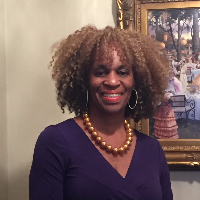
Mary Shands is a Licensed Professional Counselor (LPC) licensed in Missouri and Texas with 12 years of clinical experience. She has worked across school settings, veteran services, substance use treatment, and sexual offender programs. Mary helps people facing stress, anxiety, depression, trauma, parenting challenges, relationship strain, and addiction-related concerns.
Her background includes school counseling in special and general education, work for an insurance company, and roles in several treatment settings. That variety shaped a practical approach to problem solving and everyday coping. Mary has supported separation and adoption-related concerns as well as emotional abuse recovery.
Sessions usually focus on clear skills and straightforward conversation. She draws on cognitive behavioral methods to change unhelpful thinking and on client-centered ideas to listen and respond to what matters to the person in front of her. Attachment-informed work helps address relationship patterns that show up at home.
Mary also uses elements of emotionally-focused and existential approaches when clients want to look at values, meaning, or stronger emotional connection. Her experience includes work with veterans, parenting difficulties, grief, eating and sleep issues, ADHD, and first responder stress.
She presents trainings and offers education at community venues as part of her practice. Mary accepts clients in English and sees people across Texas, holding licenses in Missouri and Texas. Before booking, readers should confirm current session options and formats.
How sessions work
How her approaches translate to online work
Attachment-informed work looks at how early bonds shape current relationships. Online sessions can focus on patterns in how people connect and repair, which can help with parenting and relationship strain. Cognitive Behavioral Therapy (CBT) teaches concrete skills to notice and change thoughts and behaviors. It is useful for anxiety, low mood, and stress by giving practical tools to practice between sessions.Finding the right approach is part of the process. The therapist will work collaboratively to choose methods that fit the client's goals, needs, and preferences. That may mean emphasizing CBT skills for day-to-day coping, attachment work for recurring relationship patterns, or a mix of approaches as needs change.
The biography does not list specific session formats, so confirm options before booking. Online delivery can make it easier to fit appointments into busy family schedules and to have shorter check-ins when needed. It can also reduce travel time and help people keep therapy going during life changes. Licensed professionals adapt techniques so exercises and conversations translate to a remote setting.
Areas of focus
Areas of expertise
Primary focus
Also works with
Additional focus areas
Therapeutic approaches
Experience
12+ years
Listed in
Missouri, Texas
Languages
English
Questions
Frequently asked questions
What concerns does she address?
She works with stress, anxiety, depression, trauma, addictions, parenting challenges, relationship strain, grief, ADHD, and related issues listed in her specialties.
What is her therapeutic style?
Her style mixes clear skills work and listening. She uses cognitive behavioral, attachment-informed, client-centered, emotionally-focused, and existential ideas when helpful.
How long has she been practicing?
Mary has 12 years of experience working in schools, treatment centers, veteran services, and other settings.
What are her credentials and location?
She is a Licensed Professional Counselor (LPC) licensed in Missouri and Texas and practices from Texas.
Does she work in other languages or with international clients?
Sessions are offered in English and she accepts international clients.
What session formats are available?
The original biography does not specify session formats. Confirm current session options with the provider before booking.
How does cost and payment work?
Cost varies with location and sessions use a subscription that can be canceled at any time.
How do I begin working with her?
Select the See online therapy options button, complete a short matching questionnaire, and schedule a first session.
Details come from information the therapist supplied to BetterHelp. A license can be checked with the state board.
Online talk therapy is not emergency care. If anyone is in danger, use the crisis numbers.