Therapist profile
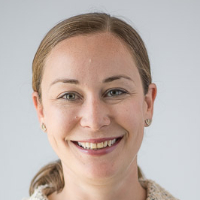
Dr. Rachel Radin, CA Psychologist 30403
California psychologist - eating and mood concerns
Continue with RachelAbout
- Anxiety and mood
- Eating and weight
- Mindfulness and CBT
About Rachel
Dr. Rachel Radin is a California psychologist (CA Psychologist 30403) with eight years of clinical experience working with adults. She focuses on anxiety, mood disorders, eating and weight-related concerns, stress, and parenting-related strain. She also addresses relationship and career stress, grief, addictions, and issues tied to identity and sexual orientation.
Radin completed a Masters and a PhD in Clinical and Medical Psychology at the Uniformed Services University of the Health Sciences. Her pre-doctoral internship was in pediatric psychology at Mount Washington Pediatric Hospital. She also finished a postdoctoral fellowship at the University of California, San Francisco.
Her training emphasized cognitive behavioral approaches, interpersonal and psychodynamic methods, and later added mindfulness and motivational interviewing. Over time she worked on brief interventions to reduce stress-related eating using mindfulness and motivational techniques.
In practice she helps people talk through patterns around eating, stress responses, and low mood. Sessions tend to focus on practical skills from cognitive behavioral therapy, mindfulness exercises to reduce reactivity, and values-based work drawn from acceptance and commitment therapy. Motivational interviewing is used when people feel stuck making changes.
People who seek her help often want concrete steps to manage anxiety, improve sleep, reduce binge or stress-related eating, or address attachment and communication problems. She has experience addressing health-related behavior and the psychological impact of chronic conditions. Prospective clients should confirm current session options before booking.
How sessions work
How acceptance, CBT and mindfulness translate online
Acceptance and Commitment Therapy (ACT) helps people clarify what matters to them and take small steps toward those values. It often uses simple exercises to notice thoughts and focus on action that matches personal priorities. Cognitive Behavioral Therapy (CBT) centers on identifying unhelpful thinking and testing new behaviors. It tends to include short homework tasks and concrete skills for anxiety, mood, and eating concerns. Mindfulness approaches teach attention and awareness practices that reduce reactivity and support behavior change, which can be useful for stress-related or compulsive eating. Finding the right mix of methods is part of the work. The therapist will collaborate with the client to decide which approaches fit their goals and day-to-day life, adjusting methods as needs change. That shared decision-making helps shape practical steps and short-term targets. The biography does not list specific online session formats, so confirm the current options before booking. Online sessions can make it easier to fit therapy into a busy schedule, allow shorter check-ins when time is limited, and remove travel time so people can work on skills between daily responsibilities. Licensed professionals can use these approaches to focus on skill building, behavior change, and coping strategies that translate into everyday routines.Areas of focus
Areas of expertise
Primary focus
Also works with
Additional focus areas
Therapeutic approaches
Experience
8+ years
Listed in
California
Languages
English
Questions
Frequently asked questions
What kinds of problems does she help with?
She works with adults on anxiety, depression, stress-related eating, relationship strain, parenting stress, and related concerns such as sleep and grief.
What is her therapeutic style?
Her approach draws on cognitive behavioral therapy, mindfulness, acceptance and commitment therapy, dialectical strategies, and motivational interviewing. She uses practical skills and reflective work.
How much clinical experience does she have?
She has eight years of clinical experience, including an internship in pediatric psychology and a postdoctoral fellowship at UCSF.
What are her credentials and where is she based?
She is a California psychologist listed as CA Psychologist 30403 and practices in California.
Does she offer sessions in other languages or to international clients?
Sessions are offered in English. International clients are not currently accepted.
What session formats are used?
The original biography does not list specific session formats. Please confirm current session options before booking.
How is cost handled?
Cost varies with location, and sessions use a subscription that can be canceled at any time.
How do I get started with her?
Begin by selecting the See online therapy options button, completing a short matching questionnaire, and scheduling a first session.
Details come from information the therapist supplied to BetterHelp. A license can be checked with the state board.
Online talk therapy is not emergency care. If anyone is in danger, use the crisis numbers.