About
- Stress and anxiety
- Trauma and addiction
- Parenting support
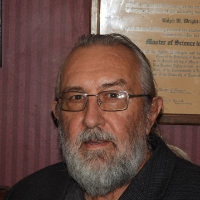
About Ralph
Ralph Murphy is a Licensed Clinical Social Worker (LCSW) in North Carolina with 30 years of clinical practice. He lists stress, anxiety, family issues, trauma and abuse, parenting, depression, addictions, LGBT concerns, relationship struggles, grief, anger, and coaching among the areas he addresses.
He holds a Master of Divinity (MDiv) and a Master of Science in Social Work (MSSW). He is also a member of the Academy of Certified Social Workers (ACSW). His work has included children, adolescents, and family settings across a range of agencies and programs.
In sessions he focuses on identifying personal strengths and practical steps. He listens and helps people set life goals, recognize achievements, and take responsibility for change. He encourages clients to tell their own story and use it to guide decisions.
Ralph integrates several approaches such as Client-Centered Therapy, Cognitive Behavioral Therapy, Motivational Interviewing, Solution-Focused methods, and Existential Therapy. That mix is used to address mood, trauma, addiction, and parenting challenges in concrete terms rather than abstract theory.
He attends to emotional, physical, intellectual, and spiritual concerns together when relevant. People who want straightforward conversation about parenting strains, grief, or substance use will find a focus on strengths and practical next steps. The work aims to move from problem description to doable changes in everyday life.
How sessions work
Approaches used in online sessions and what they do
Client-Centered Therapy focuses on listening and following the person's priorities. It helps clarify what matters most and supports people in making their own choices.Cognitive Behavioral Therapy (CBT) looks at how thoughts, feelings, and behaviors interact. It is often used for anxiety, depression, and anger by practicing different ways to respond to difficult situations.
Motivational Interviewing is a short, goal-focused approach that helps people build motivation for change. It is commonly used with substance use and when someone feels unsure about making changes.
Choosing an approach is a cooperative process. The therapist will talk with the client about goals, try methods that fit those goals, and adjust over time based on what helps. That collaboration guides which techniques are emphasized.
Session formats are not specified in the biography, so confirm current online options before booking. Online sessions can make it easier to fit therapy around work, school, or caregiving responsibilities. They also allow for shorter check-ins or for not needing to travel, which many people find practical when juggling family life.
Areas of focus
Areas of expertise
Primary focus
Additional focus areas
Therapeutic approaches
Experience
30+ years
Listed in
North Carolina
Languages
English
Questions
Frequently asked questions
What kinds of home and parenting concerns does he address?
He lists parenting, family problems, adoption and foster care, and stresses related to raising children among his focus areas.
What is his general therapeutic style?
He uses a client-centered approach and combines it with CBT, motivational interviewing, solution-focused methods, and existential ideas to keep work practical and strengths-based.
How much clinical experience does he have?
He has 30 years of experience working in clinical family work and related settings.
What credential does he hold and where is he based?
He is a Licensed Clinical Social Worker (LCSW) licensed in North Carolina.
Which languages are sessions offered in?
Sessions are offered in English.
Can international clients work with him?
He does not accept international clients at this time.
How are sessions priced?
Cost varies with location and sessions use a subscription model that can be canceled at any time.
How do I begin a first session?
Select the See online therapy options button, complete the short matching questionnaire, and then schedule your first session.
Details come from information the therapist supplied to BetterHelp. A license can be checked with the state board.
Online talk therapy is not emergency care. If anyone is in danger, use the crisis numbers.