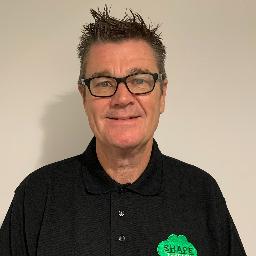
Counsellor profile
Robert Marshall, BACP
BACP counsellor - family and parenting focus
Continue with RobertAbout
- Person-centred approach
- Cognitive behavioural techniques
- Motivational interviewing
About Robert
Robert Marshall is a BACP counsellor with five years' experience working in the United Kingdom. He focuses on family and parenting concerns alongside issues such as stress, anxiety, addiction, depression, trauma, grief and relationship difficulties. Robert also lists areas like sleeping and eating problems, anger and self-esteem, and practical challenges such as career or coping with life changes.
He works in a person-centred way, placing the client's experience at the centre of sessions. He combines that approach with cognitive behavioural techniques and motivational interviewing learned through volunteering, and he draws on psychodynamic and solution-focused ideas as needed. Sessions aim to be straightforward and down to earth. Robert aims to listen carefully, without judgement, and to help people talk through emotions and difficult memories.
Robert is open about having lived experience of addiction and depression himself. He uses that background where it helps him relate to people facing similar struggles. He frames recovery as a process people can work through with practical tools and support.
In practice he encourages honesty and plain speaking. Conversations focus on identifying small changes, coping strategies and clearer thinking. That can include setting simple goals, trying behavioural experiments, or reflecting on past patterns that affect current relationships and parenting.
Sessions are offered in English and Robert accepts international clients. Before booking, readers should confirm current session options and any practical arrangements they need to make.
How sessions work
How his approaches translate to online work
Client-centred therapy places the client's experience first and focuses on active listening and reflecting. Online sessions using this approach can help people articulate feelings about family roles, parenting stress or relationship strain and feel heard while they consider next steps.Cognitive behavioural therapy (CBT) concentrates on the link between thoughts, feelings and behaviour. Online CBT-style work often involves straightforward tools such as mood records, behaviour experiments and short homework tasks to change patterns that maintain anxiety, low mood or unhelpful habits.
Motivational interviewing is a conversational method that helps people find and strengthen their own reasons to change. It can be useful for addiction concerns, ambivalence about life changes, or when someone wants clearer motivation to alter parenting routines or coping strategies.
Choosing the right approach is part of the work. The therapist will discuss options with each person and decide together which methods fit the client's goals and preferences. That collaborative decision can change over time as needs evolve.
The original biography does not specify which online session formats are used, so confirm current options before booking. Online sessions can make it easier to fit therapy into busy days, allow shorter check-ins if needed, and avoid travel time. These practical benefits often help people keep therapy consistent alongside family and work commitments.
Areas of focus
Areas of expertise
Primary focus
Also works with
Additional focus areas
Therapeutic approaches
Experience
5+ years
Listed in
United Kingdom
Languages
English
Questions
Frequently asked questions
Which family and parenting concerns does he address?
He works with parenting strain, communication problems, relationship tensions, and issues that affect family life such as stress, grief and addiction.
What is his therapeutic style like?
He uses a person-centred style with practical elements from CBT and motivational interviewing to help people talk through feelings and try small changes.
How much experience does he have?
He has five years of practice as a counsellor working with a range of concerns including addiction and mood difficulties.
What credential does he hold and where is he based?
He is registered with the BACP and operates from the United Kingdom.
Can I see him if I live outside the UK?
Sessions are offered to international clients and are conducted in English.
What session formats are offered?
The original biography does not list specific session formats; please confirm current session options before booking.
How are fees organised?
Cost varies with location and sessions use a subscription model that can be cancelled at any time.
How do I start working with him?
Choose the See online therapy options button, complete a short matching questionnaire, and schedule a first session.
Details come from information the counsellor supplied to BetterHelp. A registration can be checked with the body that issued it.
Online talk therapy is not emergency care. If anyone is in danger, use the crisis numbers.