About
- Client-centered therapy
- Cognitive behavioral tools
- DBT skills and mindfulness
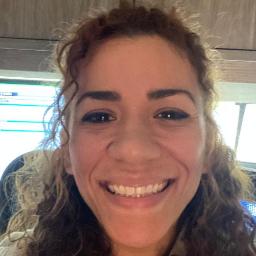
About Roselyn
Roselyn Perez is a Licensed Clinical Social Worker (LCSW) in Florida with seven years of clinical experience. She helps people dealing with stress, anxiety, depression, relationship strain, parenting concerns, addiction, trauma, and related issues. Sessions are offered in English and Spanish.
She uses straightforward conversation and goal-focused tools. Roselyn draws on client-centered methods alongside cognitive behavioral and dialectical behavior approaches. Sessions often include practical skills for emotion regulation, problem solving, and handling conflict at home.
Parents and adult children will find attention to real-life routines and expectations. She talks through parenting strain, co-parenting problems, and intimacy-related concerns in everyday terms. Work and career worries are handled alongside mental health symptoms when they affect daily life.
Roselyn also addresses grief, substance use, and the effects of trauma and abuse. She helps people manage guilt, shame, jealousy, and codependency with step-by-step strategies. For those questioning identity or facing prejudice, she brings cultural awareness to conversations.
Her approach mixes short-term strategies and longer skill-building. That can mean setting small goals, practicing new coping steps between sessions, and checking progress regularly. To start, users complete a short matching questionnaire and schedule a first session through the site.
How sessions work
How her approaches translate to online sessions
Roselyn uses client-centered therapy to focus conversations around what matters most to the person. That approach emphasizes listening, collaboration, and adjusting the pace to match the client's needs. Cognitive behavioral therapy (CBT) is used to identify unhelpful thoughts and test new behaviors; it often includes homework such as thought records or behavior experiments. Dialectical behavior therapy (DBT) provides concrete skills for managing intense emotions and improving interpersonal effectiveness, useful for anger, relationship strain, and impulse control.Deciding which approach to use is a joint process. She will review goals, try methods, and adapt based on what helps in real life. The therapist and client choose techniques together and revise them over time as progress is tracked.
Confirm the exact session formats and scheduling steps before booking since formats are not specified in the profile. Online work can make it easier to fit therapy into weekdays or evenings, shorten check-in meetings when needed, and avoid travel time. These practical benefits can help maintain consistency with sessions while practicing skills between meetings.
Areas of focus
Areas of expertise
Primary focus
Also works with
Additional focus areas
Therapeutic approaches
Experience
7+ years
Listed in
Florida
Languages
English, Spanish
Questions
Frequently asked questions
What kinds of problems does she help with?
She works with stress, anxiety, depression, relationship strain, parenting concerns, addictions, trauma, and related issues listed in her profile.
What is her therapy style like?
Her style is client-centered and interactive, using practical tools from CBT and DBT alongside solution-focused steps.
How much experience does she have?
She has seven years of clinical experience as a Licensed Clinical Social Worker.
Where is she licensed to practice?
She holds an LCSW license in Florida and practices from that state.
Does she work in other languages?
Sessions are offered in English and Spanish.
Can international clients schedule with her?
She does not accept international clients at this time.
How are session costs handled?
Cost varies with location and sessions use a subscription model that can be canceled at any time.
What are the first steps to begin?
Select the See online therapy options button, complete the short matching questionnaire, and schedule your first session.
Details come from information the therapist supplied to BetterHelp. A license can be checked with the state board.
Online talk therapy is not emergency care. If anyone is in danger, use the crisis numbers.