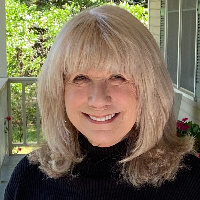
Therapist profile
Sandra Vaughn, LPC
Licensed Professional Counselor - Family and parenting
Continue with SandraAbout
- CBT methods
- Client-centered care
- Emotion-focused work
About Sandra
Sandra Vaughn is a Licensed Professional Counselor (LPC) practicing in Georgia with 23 years of experience. She works with adults facing stress, anxiety, depression, addictions, grief, parenting strains, relationship difficulties, sleep problems, ADHD, and related concerns. Sessions focus on practical steps and clearer thinking rather than jargon or long theory discussions.
Her approach blends client-centered listening with cognitive-behavioral techniques and elements from other methods. That means she listens first, then helps identify patterns of thinking and behavior to change what isn’t working. She also uses skills-based work for emotional regulation and communication when that fits a person’s goals.
Sandra draws on Emotionally-Focused and Dialectical Behavior Therapy ideas to help with intense feelings, anger, and problems that recur in relationships. Existential perspectives are used when people face big life questions, loss, or transitions and need help finding meaning or direction.
In sessions she typically breaks concerns into manageable steps. Conversations often include practice between meetings and simple tools for coping day to day. She encourages straightforward tracking of progress so clients can see what is changing.
People who want clear strategies and a steady focus on practical improvement may find this style helpful. Prospective clients should confirm current session options before booking and follow the site steps to complete a short questionnaire and schedule a first session.
How sessions work
How her therapeutic approaches fit with online work
Client-centered therapy focuses on listening and reflecting what the person says so goals become clearer. In practice this means sessions are conversational and prioritize the client's concerns and priorities. Cognitive Behavioral Therapy (CBT) looks at thoughts, feelings, and actions to change patterns that cause distress; it uses practical exercises and homework to build new skills and habits. Dialectical Behavior Therapy (DBT) brings skills for managing strong emotions and improving interpersonal effectiveness, which can be helpful for anger, relationship patterns, and high emotional reactivity.Finding the right mix of approaches is part of the work. The therapist will discuss goals and try techniques to see what helps most. Clients and the therapist make decisions together about the balance of listening, skills practice, and behavior change work.
Session formats are not specified in the provided biography, so confirm current options before booking. Many people choose online sessions because they can fit meetings into a busy day, have shorter check-ins when needed, or avoid travel time. Online work also makes it easier to practice skills between sessions and to bring real-life examples into conversation. Licensed professionals can adapt CBT and DBT tools to an online setting so practical skill-building continues even when meeting remotely.
Areas of focus
Areas of expertise
Primary focus
Also works with
Additional focus areas
Therapeutic approaches
Experience
23+ years
Listed in
Georgia
Languages
English
Questions
Frequently asked questions
What kinds of family or parenting concerns are addressed?
She helps people with family problems, blended family issues, parenting strain, and communication problems. Topics include divorce and separation and caregiver stress.
How would she approach anxiety or depression?
She uses client-centered listening alongside cognitive-behavioral techniques to identify unhelpful thoughts and build practical coping skills. Sessions often include homework and tracking to notice progress.
What is her background and experience?
She holds an LPC credential and has 23 years of clinical experience working with mood, trauma, addiction, and related concerns.
Where is she licensed to practice?
She is licensed as an LPC in Georgia.
Which languages are supported for sessions?
Sessions are offered in English.
Can people outside the United States work with her?
She does not accept international clients at this time.
How are sessions paid for?
Costs vary by location and sessions use a subscription that can be canceled at any time.
How do I begin the process?
Select the See online therapy options button, complete a short matching questionnaire, and schedule your first session through the site.
Details come from information the therapist supplied to BetterHelp. A license can be checked with the state board.
Online talk therapy is not emergency care. If anyone is in danger, use the crisis numbers.