About
- Attachment work
- CBT and DBT skills
- EMDR for trauma
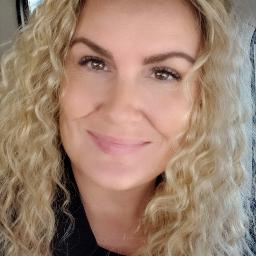
About Sarah
Sarah Anderson is an LCSW (Licensed Clinical Social Worker) practicing in Arizona with 13 years of experience. She works with adults on concerns such as stress, anxiety, depression, addictions, trauma, relationship strain, and parenting challenges. Sessions focus on practical steps to manage daily pressures and improve relationships at home.
She uses approaches that address how people connect to others and how patterns from the past affect current reactions. That can look like noticing attachment patterns, learning new skills to manage strong emotions, or using structured techniques to reduce unhelpful thoughts and behaviors. EMDR is part of her work for people who have trauma that keeps replaying in their lives.
Sarah blends methods to fit what a person needs in the room rather than sticking to one formula. Conversations include setting short-term goals, practicing skills between sessions, and checking what’s working. She brings direct, practical methods alongside space to talk about painful events and relationship difficulties.
Many who seek her help are dealing with parenting strain, breakup or separation, caregiver stress, or recovery from abuse and addiction. She also supports people facing grief, burnout, sleep problems, or life changes such as career shifts.
Sessions are conducted in English and she does not work with international clients. Fees vary by location and use a subscription model that can be canceled at any time. To begin, clients follow the online matching process and schedule a first session.
How sessions work
Approaches for attachment, skills, and trauma in online sessions
Sarah commonly uses Attachment-Based work to understand how early relationships shape current reactions and patterns. That approach looks at how connection or the lack of it influences stress, parenting, and intimacy-related struggles.She also uses Cognitive Behavioral Therapy (CBT) to spot and change thinking and behavior patterns that worsen anxiety, depression, or sleeping problems. Dialectical Behavior Therapy (DBT) skills are used to teach concrete tools for managing strong emotions, reducing impulsive reactions, and improving communication in strained relationships.
Finding the right approach is part of the work. The therapist will collaborate with each person to choose methods that match their goals, needs, and preferences. That may mean trying a skill-based focus for several sessions, then shifting to trauma-focused techniques if memories or repeated reactions remain a problem.
The biography does not list specific session formats, so confirm current options before booking. Online sessions can make it easier to fit therapy into a busy day, allow shorter check-ins when needed, and remove travel time. Many people find that working this way lets them practice new skills in real life between sessions while keeping treatment practical and focused.
Areas of focus
Areas of expertise
Primary focus
Also works with
Additional focus areas
Therapeutic approaches
Experience
13+ years
Listed in
Arizona
Languages
English
Questions
Frequently asked questions
What issues does she address related to home life?
She helps with parenting strain, relationship conflict, caregiver stress, and family-related anxiety. Other common concerns include grief, addiction, and coping with life changes.
How would she approach therapy sessions?
She combines attachment-focused work with cognitive-behavioral and DBT skill teaching, and can include EMDR for trauma. The style is practical, with goal-setting and skill practice between sessions.
What is her professional background?
She has 13 years of clinical experience working with adults and young adults on trauma, mood issues, addiction, and relationship difficulties. That experience includes work with veterans and first responders.
What credential does she hold and where is she based?
She is an LCSW licensed in Arizona and practices from Arizona. The credential is spelled out as Licensed Clinical Social Worker.
Does she conduct sessions in other languages or accept international clients?
Sessions are offered in English. She does not accept international clients.
What session formats are available?
The original biography does not list specific session formats. Confirm current session options when scheduling to know if video or phone sessions are offered.
How are fees handled?
Fees vary by location and are managed through a subscription that can be canceled at any time. Exact costs depend on the client’s location.
How do I begin working with her?
Start by selecting the See online therapy options button, completing a short matching questionnaire, and scheduling a first session through the platform.
Details come from information the therapist supplied to BetterHelp. A license can be checked with the state board.
Online talk therapy is not emergency care. If anyone is in danger, use the crisis numbers.