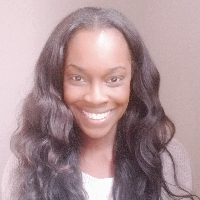
Therapist profile
Trinity Salazar, LCSW
Licensed clinical social worker - Family and parenting concerns
Continue with TrinityAbout
- Trauma focused CBT
- Family centered therapy
- CBT techniques
About Trinity
Trinity Salazar is a Licensed Clinical Social Worker (LCSW) licensed in North Carolina with eight years of clinical experience. She provides individual therapy for adults and young people, and lists concerns including stress, anxiety, depression, trauma and abuse, parenting strain, and relationship troubles.
She uses practical, evidence-based techniques in sessions. Trinity describes using Trauma Focused Cognitive Behavioral Therapy, Family Centered Therapy, and Cognitive Behavioral Therapy. Conversations focus on clear goals, skill-building, and managing difficult feelings day to day.
Her background includes work in schools, in-home settings, and outpatient clinics. She has experience with the military community and with veterans through roles at United States Special Operations Command, Joint Special Operations Command, and the Veterans Transition Center of Monterey. She has spoken on panels about posttraumatic stress and currently works with Moore County Schools as a Military Family Life Consultant.
Trinity holds a bachelor’s degree in Political Science from North Carolina State University and a master’s degree in Social Work from Fayetteville State University. She is enrolled in the Doctor of Clinical Social Work program at The University of Pennsylvania and is a Teaching Associate there. She also completed Columbia University’s Pedagogy Institute for Teaching Social Work.
In sessions she tends to keep language direct and practical. Parents and adults who are juggling household responsibilities or strained relationships can expect focused strategies, symptom management techniques, and attention to communication patterns. She invites clear discussion about goals and next steps rather than long theoretical explanations.
How sessions work
Therapeutic approaches and how online sessions fit
Trauma Focused Cognitive Behavioral Therapy helps people identify and change thought patterns tied to traumatic memories. It includes steady, structured steps to reduce distress and improve daily coping for trauma related symptoms.Family Centered Therapy in Trinity’s work focuses on interactions and routines that affect a person’s wellbeing. It looks at communication habits and household patterns that can worsen stress or sleep problems and offers practical changes to reduce conflict and improve daily functioning.
Cognitive Behavioral Therapy, or CBT, teaches specific skills to manage anxiety, depression, and anger. Sessions often include short skill practice, tracking behaviors, and setting small, achievable goals between meetings.
Choosing the right approach is collaborative. The therapist will talk with the client about symptoms, daily life, and short-term goals, then recommend methods that fit the situation. Adjustments are made over time based on what is helpful.
The biography does not specify session formats, so confirm current options before booking. Online sessions can make it easier to fit therapy into a weekday break, reduce travel time, or allow for shorter check-ins when schedules are tight. Licensed professionals can also choose approaches that work well in virtual conversations, such as focused skills teaching and structured worksheets that translate to a screen or emailed materials.
Areas of focus
Areas of expertise
Primary focus
Also works with
Additional focus areas
Experience
8+ years
Listed in
North Carolina
Languages
English
Questions
Frequently asked questions
What kinds of home and parenting concerns does she address?
She works with stress related to parenting, blended family issues, communication problems, caregiver strain, and grief among other family and parenting concerns.
How would you describe her therapeutic style?
Sessions focus on practical, evidence-based methods with goal-oriented work and skill building rather than open-ended theory discussions.
What is her clinical experience?
She has eight years of experience in schools, in-home settings, and outpatient clinics, and has worked with military and veteran populations.
What are her credentials and where is she based?
She is a Licensed Clinical Social Worker, LCSW, licensed in North Carolina and practices from that state.
Can I work with her if I live outside the United States?
Sessions are offered to international clients as noted; sessions are conducted in English.
What session formats are available?
The original biography does not list specific session formats. Confirm current session options before booking.
How are fees handled?
Cost varies with location and sessions use a subscription model that can be canceled at any time.
How do I begin working with her?
Begin by selecting the See online therapy options button, completing a short matching questionnaire, and scheduling a first session.
Details come from information the therapist supplied to BetterHelp. A license can be checked with the state board.
Online talk therapy is not emergency care. If anyone is in danger, use the crisis numbers.