
Emma Cott
LCMFTKansas · 12 yrs exp
Licensed Clinical MFT - Relationships and Family Concerns
Stress, Anxiety · Relationship · Intimacy-related issues · Depression · +13 more
Read profileTherapist listings are provided by BetterHelp. We will earn a commission at no additional cost to you if you use our links to purchase.
Compare profiles listed in Kansas to review specialties, therapeutic approaches, languages, degrees and experience that relate to family relationships and parenting. Browse the profiles below, and check each professional's profile to confirm they can work with you where you live before reaching out.
Kansas · 12 yrs exp
Licensed Clinical MFT - Relationships and Family Concerns
Stress, Anxiety · Relationship · Intimacy-related issues · Depression · +13 more
Read profile
Kansas · 17 yrs exp
LCPC in Kansas - relationships and parenting
Stress, Anxiety · Relationship · Family · Anger · +10 more
Read profile
Kansas · 23 yrs exp
KS LSCSW - Relationships and Parenting
Stress, Anxiety · Relationship · Trauma and abuse · Self esteem · +8 more
Read profile
Kansas · 30 yrs exp
LSCSW - relationship and family concerns
Stress, Anxiety · Trauma and abuse · Sleeping · Self esteem · +14 more
Read profile
Kansas · 12 yrs exp
Licensed MFT - Family and parenting concerns
Stress, Anxiety · Family · Trauma and abuse · Depression · +1 more
Read profile
Kansas · 40 yrs exp
LSCSW - Family and anxiety support
Stress, Anxiety · Family · Trauma and abuse · Bipolar · +1 more
Read profile
Kansas · 41 yrs exp
Kansas LSCSW LISW - Family and parenting focus
Stress, Anxiety · Trauma and abuse · Grief · Career · +16 more
Read profile
Kansas · 24 yrs exp
Psychologist - Family and parenting concerns
Stress, Anxiety · Anger · Bipolar · Depression · +15 more
Read profile
Kansas · 35 yrs exp
Licensed Clinical MFT - Relationship and family concerns
Relationship · Family · Intimacy-related issues · Self esteem · +11 more
Read profile
Kansas · 7 yrs exp
Licensed counselor - family and parenting concerns
Stress, Anxiety · Relationship · Trauma and abuse · Depression · +10 more
Read profile
Kansas · 18 yrs exp
Licensed Professional Counselor - Relationships and Family
Relationship · Family · Parenting · Depression · +5 more
Read profile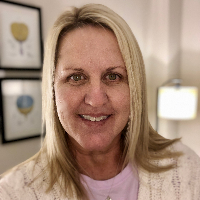
Kansas · 10 yrs exp
Licensed counselor - Family and parenting concerns
Stress, Anxiety · Relationship · Family · Parenting · +6 more
Read profile
Kansas · 30 yrs exp
Licensed clinical social worker - Family and parenting
Stress, Anxiety · Relationship · Family · Parenting · +9 more
Read profile
Kansas · 15 yrs exp
Licensed counselor - Family and parenting focus
Stress, Anxiety · Relationship · Family · Trauma and abuse · +14 more
Read profile
Kansas · 19 yrs exp
Licensed LCSW - Relationships and Parenting
Stress, Anxiety · Relationship · Family · Trauma and abuse · +14 more
Read profile
Kansas · 13 yrs exp
LSCSW LCSW - Stress and parenting support
Stress, Anxiety · Trauma and abuse · Self esteem · Depression · +13 more
Read profile
Kansas · 30 yrs exp
Licensed Clinical Professional Counselor - Family and parenting focus
Stress, Anxiety · Self esteem · Depression · Coping with life changes · +8 more
Read profile
Kansas · 10 yrs exp
KS LCPC - Relationships and Parenting
Stress, Anxiety · Relationship · Family · Trauma and abuse · +13 more
Read profile
Kansas · 25 yrs exp
LCPC in Kansas - Stress and Family concerns
Stress, Anxiety · Self esteem · Career · Depression · +11 more
Read profile
Kansas · 18 yrs exp
Licensed social worker - Family and identity issues
LGBT · Family · Trauma and abuse · Parenting · +13 more
Read profile
Kansas · 11 yrs exp
LPC and LCPC focusing on family and parenting issues
Stress, Anxiety · Self esteem · Career · Coping with life changes · +15 more
Read profile
Kansas · 40 yrs exp
Licensed clinical social worker - family and parenting focus
Stress, Anxiety · Grief · Self esteem · Depression · +6 more
Read profile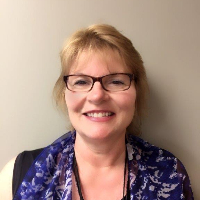
Kansas · 15 yrs exp
Licensed Clinical Social Worker - Family and parenting concerns
Stress, Anxiety · Trauma and abuse · Grief · Self esteem · +14 more
Read profile
Kansas · 36 yrs exp
LMFT focused on family and relationship concerns
Stress, Anxiety · Relationship · Family · Intimacy-related issues · +7 more
Read profile
Kansas · 40 yrs exp
LSCSW and LCSW - stress and family concerns
Stress, Anxiety · Addictions · Relationship · Family · +13 more
Read profile
Kansas · 27 yrs exp
LMFT - Family and relationship concerns
Addictions · Relationship · Family · Trauma and abuse · +10 more
Read profile
Kansas · 12 yrs exp
Licensed clinical social worker - Family and parenting focus
Stress, Anxiety · Trauma and abuse · Self esteem · Depression · +10 more
Read profile
Kansas · 7 yrs exp
LSCSW - Stress and family concerns
Stress, Anxiety · Family · Trauma and abuse · Parenting · +9 more
Read profile
Kansas · 10 yrs exp
Licensed Clinical Social Worker - Family and parenting focus
Stress, Anxiety · Relationship · Trauma and abuse · Depression · +13 more
Read profile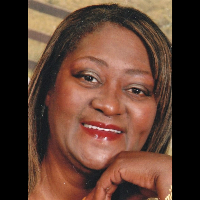
Kansas · 26 yrs exp
LSCSW - Depression and anxiety focus
Stress, Anxiety · Grief · Self esteem · Depression · +7 more
Read profile
Kansas · 32 yrs exp
Kansas LCP - Stress and family concerns
Stress, Anxiety · Family · Depression · LGBT · +1 more
Read profile
Kansas · 16 yrs exp
LPC counselor - relationships and parenting
Stress, Anxiety · Addictions · Trauma and abuse · Bipolar · +15 more
Read profile
Kansas · 20 yrs exp
Licensed social worker - Family and parenting
Stress, Anxiety · Family · Trauma and abuse · Parenting · +10 more
Read profile
Kansas · 9 yrs exp
LCPC and LCMHC - Stress and family concerns
Stress, Anxiety · Relationship · Anger · Depression · +11 more
Read profile
Kansas · 8 yrs exp
LCSW in Kansas - Family and stress concerns
Stress, Anxiety · Family · Trauma and abuse · Self esteem · +6 more
Read profile
Kansas · 40 yrs exp
Licensed social worker - Family and parenting focus
Stress, Anxiety · Addictions · LGBT · Relationship · +16 more
Read profile
Kansas · 12 yrs exp
KS LSCSW - Relationships and Grief
Relationship · Grief · Self esteem · Coping with life changes · +9 more
Read profile
Kansas · 30 yrs exp
LCPC in Kansas - Family and parenting concerns
Stress, Anxiety · Relationship · Trauma and abuse · Depression · +10 more
Read profile
Kansas · 22 yrs exp
Licensed Specialist Clinical Social Worker - Family and parenting concerns
Stress, Anxiety · Relationship · Trauma and abuse · Depression · +14 more
Read profile
Kansas · 16 yrs exp
LCSW focused on family and parenting concerns
Stress, Anxiety · Trauma and abuse · Self esteem · Depression · +10 more
Read profile
Kansas · 7 yrs exp
Licensed Clinical Social Worker - Trauma and addiction focus
Stress, Anxiety · Relationship · Trauma and abuse · Bipolar · +15 more
Read profile
Kansas · 19 yrs exp
LSCSW - Stress and family concerns
Stress, Anxiety · Family · Trauma and abuse · Depression · +8 more
Read profile
Kansas · 16 yrs exp
Licensed clinical social worker - Family and parenting concerns
Stress, Anxiety · Relationship · Intimacy-related issues · Self esteem · +16 more
Read profile
Kansas · 22 yrs exp
LCPC counselor - Family and parenting concerns
Stress, Anxiety · Addictions · Relationship · Depression · +9 more
Read profile
Kansas · 10 yrs exp
LSCSW - Family and parenting focused care
Stress, Anxiety · Relationship · Trauma and abuse · Eating · +7 more
Read profile
Kansas · 8 yrs exp
Licensed LSCSW - Addictions and Family
Addictions · Relationship · Family · Trauma and abuse · +12 more
Read profile
Kansas · 25 yrs exp
Licensed counselor - family and personal concerns
Addictions · Trauma and abuse · Grief · Self esteem · +9 more
Read profile
Kansas · 6 yrs exp
LCSW - Family and parenting concerns
Stress, Anxiety · Relationship · Family · Parenting · +4 more
Read profile
Kansas · 6 yrs exp
LCSW clinician - relationships and parenting
Stress, Anxiety · Relationship · Trauma and abuse · Self esteem · +12 more
Read profile
Kansas · 7 yrs exp
Kansas LCPC - Relationships and Parenting
Relationship · Trauma and abuse · Parenting · Self esteem · +1 more
Read profile
Kansas · 5 yrs exp
LSCSW focused on family and parenting concerns
Stress, Anxiety · Relationship · Trauma and abuse · Depression · +5 more
Read profile
Kansas · 10 yrs exp
Licensed counselor - Stress and addictions
Stress, Anxiety · Addictions · Self esteem · Coping with life changes · +8 more
Read profile
Kansas · 12 yrs exp
Dr. Dwight Eisenman - LPC LMHC, family and parenting concerns
Stress, Anxiety · Addictions · LGBT · Relationship · +10 more
Read profile
Kansas · 15 yrs exp
Licensed counselor - Relationships and family concerns
Relationship · Self esteem · Depression · Coping with life changes · +12 more
Read profile
Kansas · 10 yrs exp
Licensed social worker - family and transitions
Stress, Anxiety · Relationship · Family · Grief · +1 more
Read profile
Kansas · 10 yrs exp
KS LSCSW - Stress and Parenting Support
Stress, Anxiety · Relationship · Trauma and abuse · Parenting · +16 more
Read profile
Kansas · 12 yrs exp
LSCSW - Family and parenting focus
Stress, Anxiety · LGBT · Self esteem · Depression · +13 more
Read profile
Kansas · 4 yrs exp
LSCSW in Kansas - Family and parenting concerns
Stress, Anxiety · Relationship · Grief · Depression · +12 more
Read profile
Kansas · 10 yrs exp
Licensed Clinical Professional Counselor - Family and Parenting
Stress, Anxiety · Family · Self esteem · Coping with life changes · +8 more
Read profile
Kansas · 15 yrs exp
LSCSW - Stress and parenting focus
Stress, Anxiety · Relationship · Trauma and abuse · Parenting · +1 more
Read profileIf you are searching for help with parenting stress, ongoing family conflict, challenges with adult children or the complexities of aging parents, it helps to get clear about your immediate priorities. You may be focused on managing daily parenting pressures, finding ways to talk through boundaries with a teenager, repairing communication patterns after repeated arguments, or navigating blended family dynamics after a separation. Clarifying whether you want short-term problem solving, a space to process emotions, or longer-term support will help you compare professionals and frame questions when you review profiles.
Keep in mind that profiles in this directory are grouped under the listed location Kansas, but that listing does not prove a professional's office is in a particular building or that they are permitted to work in every jurisdiction. A listed topic such as Family or Parenting does not by itself establish that a clinician treats children, couples, or families. If you believe a child or adult is unsafe, contact local emergency services immediately. For non-emergencies, identify the most important outcomes you want from sessions so you can look for profiles that describe experience working with those concerns.
The phrase listed location Kansas describes the location associated with a profile in this directory. It does not guarantee that a practitioner has an office address visible on their profile or that they hold permission to practice in every jurisdiction. When you open a profile, look for clear statements about where the professional is legally permitted to work and whether they offer services to people living in your area. If that information is not on the profile, reach out to the clinician to confirm their permission to work with you where you live.
Academic degrees and professional permission to practice are not the same. Degrees such as PhD, PsyD, MD, MA or MSW indicate formal education, while professional licenses or registrations indicate current permission to provide clinical services. In the United States many clinicians list a professional license - for example LCSW, LMFT, LPC or psychologist licensure - whereas in the United Kingdom and Australia you may see registration, accreditation or membership with national regulatory or professional bodies. A degree alone does not confirm current permission to practice. Profiles may list both degrees and licensing or registration information, so read each profile carefully and ask the clinician directly if you need verification.
When comparing profiles, think in terms of questions you can bring to an initial conversation. Ask which populations the clinician most often works with and whether they routinely work with individuals addressing parenting stress, adult child relationships, caregiving and elder concerns, or blended family issues. Request examples of the kinds of situations they have helped people with, and ask about the balance of practical strategies and emotional processing in their work. Phrase method-related questions to avoid assumptions about training - for example, ask whether the clinician lists CBT, psychodynamic, solution-focused work or other approaches among their approaches, and how they typically use those ideas with individual clients.
Also ask about experience with particular family situations that matter to you. If you are parenting a child with special health needs, managing a high-conflict co-parenting relationship, or supporting an aging parent with changing care needs, request how often the clinician has worked with these issues and what they consider useful early steps. Check whether the clinician describes working with diverse family structures and cultures, and whether they offer services in any languages you prefer. These specifics will help you compare profiles in terms of fit rather than rely on general labels.
If you are considering online sessions, there are concrete practical topics to cover before beginning. Confirm whether the clinician can legally provide services to your location, since rules vary by state and country. Discuss the technology you will use and how the clinician handles how your information is stored and shared, as well as any policies on record keeping. Plan for a communication path in case a connection drops, and agree on an emergency plan that includes local emergency numbers or contacts if a crisis emerges where you live. Again, if a child or adult is unsafe, contact local emergency services immediately.
Talk about your environment for sessions. You may need a quiet room or a private space where interruptions are minimal. Discuss boundaries about involving family members in sessions, since the clinicians listed here help individuals with family and parenting concerns and may not provide family or couples sessions unless that is clearly stated on a profile. Finally, cover basic logistics such as session length, cancellation policy and how out-of-session needs are handled so you understand how the clinician structures their work with individual clients.
When you look through profiles listed for Kansas, compare focus areas closely. Some profiles emphasize parenting stress, perinatal adjustment, or adolescent behavior, while others may highlight caregiving for aging parents or transitions such as divorce and remarriage. Profiles that mention working with adult children often describe communication, boundary setting and life-stage transitions. Use the focus descriptions to match your immediate concerns to a clinician who describes relevant experience.
Languages and cultural competence are important comparison points. If you prefer to work in a language other than English, narrow profiles that list that language. If cultural or identity factors are important to you - for example race, religion, immigration background, or LGBTQ issues - look for profiles that mention experience or interest in those areas and bring questions about cultural fit to your initial contact. For credentials, weigh degrees and professional permission to practice separately: a PhD or MSW indicates education, while a professional license or registration indicates current regulatory status. If the profile does not clarify registration or licensure across the US, UK or Australia, ask the clinician to confirm where they are permitted to practice.
Therapeutic style matters as much as technical approaches. Some clinicians describe a more directive style with problem-solving and homework, while others describe a reflective style focusing on listening and exploration. Profiles sometimes indicate whether a clinician prefers short-term problem-focused work or longer-term exploration, but these are best confirmed in conversation. When you have two or three profiles that seem promising, plan brief conversations to sense interpersonal fit and to ask the concrete questions outlined above. That direct contact is the clearest way to evaluate how a clinician's style and experience align with the needs you brought to the search.
Choosing someone to support you with family relationships or parenting is a personal decision. Use the profiles listed for Kansas to narrow possibilities by focus, language, credentials and style, and then reach out to professionals to confirm they can work with you where you live and to discuss specific experience with your concerns. Keep safety in mind at every step, and contact local emergency services if anyone is at immediate risk. Thoughtful questions and clear communication will help you identify a profile that feels like a good fit for the work you want to do.
ADHD
5093 therapists
Anger
6665 therapists
Control Issues
5020 therapists
Depression
8168 therapists
Domestic Violence
3579 therapists
Grief
7314 therapists
Guilt and Shame
6692 therapists
Intimacy Issues
5425 therapists
Isolation / Loneliness
6371 therapists
Midlife Crisis
4715 therapists
Panic Disorder and Panic Attacks
4979 therapists
Postpartum Depression
3147 therapists
Self Esteem
8202 therapists
Stress & Anxiety
8703 therapists
Trauma and Abuse
7482 therapists
Abandonment
4885 therapists
Aging and Geriatric Issues
3237 therapists
Attachment Issues
5173 therapists
Blended Family Issues
4188 therapists
Caregiver Issues and Stress
5297 therapists
Codependency
4815 therapists
Commitment Issues
4092 therapists
Communication Problems
7154 therapists
Compassion Fatigue
5325 therapists
Coping with Life Changes
7978 therapists
Divorce
5713 therapists
Family
8273 therapists
Family of Origin Issues
3915 therapists
Forgiveness
6237 therapists
Infidelity
3873 therapists
Money and Financial Issues
3193 therapists
Parenting
7005 therapists
Relationship
8113 therapists
Workplace Issues
5603 therapists