
Rachel Margolin
LCSWPennsylvania · 27 yrs exp
LCSW - Relationships and Parenting
Stress, Anxiety · Relationship · Parenting · Self esteem · +14 more
Read profileTherapist listings are provided by BetterHelp. We will earn a commission at no additional cost to you if you use our links to purchase.
This page groups profiles with a listed location in Pennsylvania that include family relationships or parenting among their specialties. Use the filters to compare focus areas, approaches, languages and professional credentials, then browse profiles below to learn more.
Pennsylvania · 27 yrs exp
LCSW - Relationships and Parenting
Stress, Anxiety · Relationship · Parenting · Self esteem · +14 more
Read profile
Pennsylvania · 12 yrs exp
Licensed counselor - Family and parenting concerns
Stress, Anxiety · Relationship · Self esteem · Depression · +11 more
Read profile
Pennsylvania · 6 yrs exp
Licensed Professional Counselor - Family and parenting focus
Stress, Anxiety · LGBT · Relationship · Self esteem · +15 more
Read profile
Pennsylvania · 13 yrs exp
Licensed Professional Counselor - Family and parenting focus
Stress, Anxiety · Trauma and abuse · Grief · Parenting · +12 more
Read profile
Pennsylvania · 23 yrs exp
Licensed Professional Counselor - Family and parenting focus
Stress, Anxiety · Addictions · Trauma and abuse · Self esteem · +12 more
Read profile
Pennsylvania · 40 yrs exp
Licensed Professional Counselor - Relationship and Parenting
Relationship · Family · Parenting · Anger · +1 more
Read profile
Pennsylvania · 30 yrs exp
Licensed Professional Counselor - Family and parenting focus
Stress, Anxiety · Trauma and abuse · Grief · Depression · +11 more
Read profile
Pennsylvania · 16 yrs exp
LPC and LCPC - stress and family concerns
Stress, Anxiety · Relationship · Family · Grief · +10 more
Read profile
Pennsylvania · 30 yrs exp
LCSW - Stress and family-related concerns
Stress, Anxiety · Family · Trauma and abuse · Grief · +10 more
Read profile
Pennsylvania · 28 yrs exp
Licensed Professional Counselor - Family and relationships
Addictions · Relationship · Family · Trauma and abuse · +3 more
Read profile
Pennsylvania · 30 yrs exp
LCSW and LISW - stress and parenting support
Stress, Anxiety · Relationship · Self esteem · Depression · +11 more
Read profile
Pennsylvania · 22 yrs exp
Licensed Professional Counselor - Family and parenting concerns
Stress, Anxiety · LGBT · Trauma and abuse · Depression · +13 more
Read profile
Pennsylvania · 10 yrs exp
Licensed Professional Counselor - Family and parenting topics
Stress, Anxiety · Addictions · Trauma and abuse · Anger · +15 more
Read profile
Pennsylvania · 15 yrs exp
Licensed counselor - Relationships and family concerns
Relationship · Family · Eating · Anger · +1 more
Read profile
Pennsylvania · 25 yrs exp
Licensed Professional Counselor - Family and parenting concerns
Stress, Anxiety · Relationship · Family · Coping with life changes · +1 more
Read profile
Pennsylvania · 22 yrs exp
LPC - Stress and parenting support
Stress, Anxiety · Parenting · Career · Coping with life changes · +1 more
Read profile
Pennsylvania · 22 yrs exp
Licensed Professional Counselor - Family and Parenting
Stress, Anxiety · Relationship · Grief · Anger · +6 more
Read profile
Pennsylvania · 9 yrs exp
Licensed Professional Counselor - Family and parenting concerns
Stress, Anxiety · Depression · Coping with life changes · LGBT · +7 more
Read profile
Pennsylvania · 40 yrs exp
LCSW in Pennsylvania - Family and relationship concerns
Stress, Anxiety · Relationship · Family · Coping with life changes · +1 more
Read profile
Pennsylvania · 7 yrs exp
Licensed Professional Counselor - Family and parenting focus
Stress, Anxiety · Sleeping · Anger · Depression · +11 more
Read profile
Pennsylvania · 19 yrs exp
Licensed Clinical Social Worker - Relationships and Parenting
Stress, Anxiety · Relationship · Family · Parenting · +1 more
Read profile
Pennsylvania · 15 yrs exp
LCSW - Family and parenting concerns
Stress, Anxiety · Family · Parenting · Self esteem · +1 more
Read profile
Pennsylvania · 7 yrs exp
Pennsylvania LCSW - family and stress concerns
Stress, Anxiety · Family · Trauma and abuse · Depression · +1 more
Read profile
Pennsylvania · 40 yrs exp
LCSW - Stress and family related concerns
Stress, Anxiety · Self esteem · Career · Depression · +8 more
Read profile
Pennsylvania · 30 yrs exp
Licensed counselor - Family and parenting focus
Stress, Anxiety · Relationship · Parenting · Career · +10 more
Read profile
Pennsylvania · 20 yrs exp
Licensed Professional Counselor - Family and parenting focus
Stress, Anxiety · Relationship · Trauma and abuse · Self esteem · +8 more
Read profile
Pennsylvania · 18 yrs exp
Licensed Clinical Social Worker - Family and Parenting
Stress, Anxiety · Trauma and abuse · Self esteem · Depression · +7 more
Read profile
Pennsylvania · 6 yrs exp
LPC in Pennsylvania - relationships and life transitions
Stress, Anxiety · Relationship · Self esteem · Career · +4 more
Read profile
Pennsylvania · 25 yrs exp
LPC counselor - relationships and family issues
Stress, Anxiety · Relationship · Trauma and abuse · Intimacy-related issues · +12 more
Read profile
Pennsylvania · 16 yrs exp
Licensed Professional Counselor - Stress and Addiction support
Stress, Anxiety · Addictions · Self esteem · Depression · +12 more
Read profile
Pennsylvania · 15 yrs exp
Licensed Professional Counselor - Family and relationship concerns
Stress, Anxiety · Addictions · Relationship · Family · +9 more
Read profile
Pennsylvania · 15 yrs exp
Licensed Professional Counselor - Relationships and Parenting
Stress, Anxiety · Addictions · Trauma and abuse · Eating · +13 more
Read profile
Pennsylvania · 23 yrs exp
Licensed Professional Counselor - Family and parenting focus
Stress, Anxiety · Relationship · Parenting · Self esteem · +8 more
Read profile
Pennsylvania · 13 yrs exp
Licensed Professional Counselor - Relationships and Parenting
Stress, Anxiety · Relationship · Grief · Self esteem · +14 more
Read profile
Pennsylvania · 14 yrs exp
Licensed Professional Counselor - Family and parenting focus
Stress, Anxiety · Addictions · Relationship · Depression · +16 more
Read profile
Pennsylvania · 6 yrs exp
Licensed Professional Counselor - Family and parenting focus
Stress, Anxiety · Addictions · LGBT · Self esteem · +11 more
Read profile
Pennsylvania · 15 yrs exp
Licensed Professional Counselor - Family and Parenting
Stress, Anxiety · Anger · Bipolar · Depression · +12 more
Read profile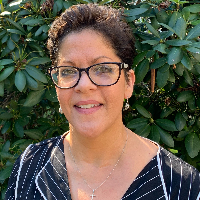
Pennsylvania · 11 yrs exp
Licensed Professional Counselor - Stress and Parenting
Stress, Anxiety · Trauma and abuse · Grief · Self esteem · +12 more
Read profile
Pennsylvania · 43 yrs exp
Psychologist - Stress and family concerns
Stress, Anxiety · Addictions · Relationship · Self esteem · +16 more
Read profile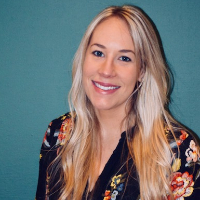
Pennsylvania · 10 yrs exp
Licensed Professional Counselor - Family and parenting concerns
Stress, Anxiety · Addictions · Relationship · Self esteem · +15 more
Read profile
Pennsylvania · 16 yrs exp
Licensed Marriage and Family Therapist - Relationships and Family
Relationship · Family · Trauma and abuse · Parenting · +13 more
Read profile
Pennsylvania · 10 yrs exp
Licensed Professional Counselor - Parenting and Family
Stress, Anxiety · Relationship · Parenting · Family · +4 more
Read profile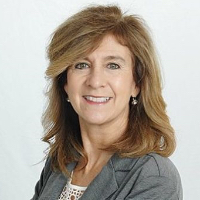
Pennsylvania · 34 yrs exp
Licensed counselor - family and parenting areas
Stress, Anxiety · Family · Trauma and abuse · Parenting · +12 more
Read profile
Pennsylvania · 4 yrs exp
Licensed Professional Counselor - Family and relationship concerns
Stress, Anxiety · Relationship · Trauma and abuse · Grief · +11 more
Read profile
Pennsylvania · 3 yrs exp
LPC in Pennsylvania - Stress and Parenting support
Stress, Anxiety · Relationship · Family · Grief · +16 more
Read profile
Pennsylvania · 5 yrs exp
Licensed counselor - Relationships and family concerns
Relationship · Trauma and abuse · Self esteem · Depression · +14 more
Read profile
Pennsylvania · 33 yrs exp
Licensed Professional Counselor - Family and relationships
Stress, Anxiety · Relationship · Family · Trauma and abuse · +13 more
Read profile
Pennsylvania · 9 yrs exp
Licensed counselor - family and parenting concerns
Stress, Anxiety · Relationship · Family · Trauma and abuse · +9 more
Read profile
Pennsylvania · 13 yrs exp
Licensed Professional Counselor - Family and Parenting concerns
Stress, Anxiety · Addictions · Trauma and abuse · Self esteem · +11 more
Read profile
Pennsylvania · 22 yrs exp
LCSW - Relationship and family concerns
Stress, Anxiety · Relationship · Family · Trauma and abuse · +15 more
Read profile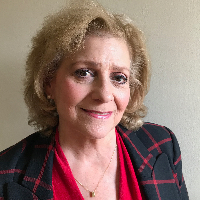
Pennsylvania · 21 yrs exp
Licensed Professional Counselor - Family and parenting concerns
Stress, Anxiety · Relationship · Family · Self esteem · +12 more
Read profile
Pennsylvania · 35 yrs exp
Licensed counselor - Family and relationship issues
Stress, Anxiety · Self esteem · Career · Depression · +10 more
Read profile
Pennsylvania · 35 yrs exp
Licensed Professional Counselor - Family and parenting concerns
Stress, Anxiety · Relationship · Family · Parenting · +9 more
Read profile
Pennsylvania · 6 yrs exp
LICSW LCSW - Family and parenting issues
Stress, Anxiety · Addictions · LGBT · Trauma and abuse · +15 more
Read profile
Pennsylvania · 3 yrs exp
Licensed counselor - Family and parenting focus
Addictions · Relationship · Family · Self esteem · +11 more
Read profile
Pennsylvania · 5 yrs exp
Licensed Professional Counselor - Relationships and Family
Relationship · Family · Depression · Coping with life changes · +12 more
Read profile
Pennsylvania · 6 yrs exp
LPC focused on relationships and family concerns
Relationship · Family · Intimacy-related issues · Coping with life changes · +13 more
Read profile
Pennsylvania · 15 yrs exp
LMHC LPC focused on stress and trauma
Stress, Anxiety · Trauma and abuse · Sleeping · Self esteem · +9 more
Read profile
Pennsylvania · 13 yrs exp
LPC counselor - Family and parenting focus
Stress, Anxiety · Family · Parenting · Self esteem · +14 more
Read profile
Pennsylvania · 27 yrs exp
LCSW - Stress and family related concerns
Stress, Anxiety · Self esteem · Career · Coaching · +16 more
Read profileIf you are juggling parenting stress, navigating a blended family, struggling with conflict around adult children, or coordinating care for aging parents, you are not alone in wanting clearer strategies and emotional support. The professionals listed on this Pennsylvania page include family relationships or parenting among their specialties and work with individuals on those topics. That means you can expect to find profiles of clinicians who focus on helping a single person explore their role, set boundaries, manage stress, or improve communication with relatives. If you are worried about immediate safety for a child, an adult, or yourself, call local emergency services or the appropriate child protection agency right away rather than relying on directory listings.
When preparing to reach out, it helps to clarify what you want to address. You might want to reduce heated arguments at home, find strategies for parenting a teen, repair strained ties with an adult child, or manage the responsibilities of caregiving for an older relative. Note whether a profile mentions experience with issues similar to yours and prepare to describe concrete situations and goals when you contact a professional. Keep in mind that profiles are a starting point for comparison and conversation rather than a guarantee of a particular outcome.
A listed location in a profile indicates the place someone has entered as their location on this directory. It does not by itself confirm a physical office, that a professional practices in that exact locale, or that they hold permission to practice in every state or country. You should check the individual profile for details and ask the professional directly to confirm whether they may work with you where you live. For those in the United States, you will often see the term licensed paired with specific credentials and a licensing board. For professionals based in the United Kingdom or Australia, you may see references to registration with, or membership in, national professional bodies rather than the US model of a state license. Academic degrees such as PhD, PsyD, MD, MA, or MSW describe a level of education but do not, on their own, establish current permission to practice. When you compare profiles, look for clear statements about the professional's current practice permission in your jurisdiction and ask clarifying questions if that information is not visible.
You can use the profile information to form specific, concrete questions that reveal how a professional works and whether that style fits your needs. Ask which age ranges they work with and whether they focus on issues like parenting adolescents, co-parenting after separation, or caregiving for older relatives. If a profile lists therapeutic approaches, you might say, I see you list EMDR among your approaches - can you describe how you use that approach with individuals who are dealing with family-related stress? That phrasing acknowledges the profile while inviting an explanation rather than assuming training or certification.
Also check the scope of practice. Profiles may list special interests or client populations, but that does not mean the professional treats every issue for every person. Ask whether they commonly work with people who are managing the kind of relationship patterns or developmental stage you are facing. Clarify whether the professional focuses on short-term skill building, longer-term exploration, or a combination. Concrete questions about their experience and typical goals for clients will help you compare profiles more meaningfully than general descriptors alone.
If you are considering contacting someone who provides online care or who lists a location that differs from where you live, discuss jurisdictional permission and practical matters upfront. Confirm whether the professional is authorized to provide services in your state or country and ask how they handle time zones and emergency planning. Talk about how they propose to manage urgent situations since a remote contact may not be able to provide immediate in-person support. If there is any concern about immediate danger to a child or adult, you should contact local emergency services before engaging in therapy discussions.
Before you begin, it is also reasonable to ask about the technical platforms used, how sessions are scheduled, and how records are maintained. These are practical logistics that affect whether a relationship will be workable for you. If language access matters, ask if sessions are conducted in your preferred language or if an interpreter is used. Finally, discuss what each party expects from the first few conversations so that you can decide if the professional's style and focus match your needs.
When you look across profiles in Pennsylvania, focus on several concrete dimensions to make comparisons useful. Start with focus areas and client populations - does a profile list work with parenting teens, blended families, adult children, or aging caregivers? Those descriptors give an initial sense of familiarity with certain issues, but you should follow up with questions about depth of experience and typical strategies. Language offerings are also important. If you need care in a language other than English, look for profiles that state language skills and ask whether clinical work is offered in that language.
Consider how credentials are presented. Academic degrees and clinical licenses or registrations are distinct: a PhD or MSW indicates education, while licensure in the United States or registration with a recognized body in the United Kingdom or Australia indicates a type of professional permission to practice. If a profile does not clearly state the current status of a license or registration, ask the professional directly. Style and therapeutic approach are the final pieces to compare. Profiles sometimes list approaches; you can ask a prospective clinician to describe what those approaches look like in session and whether they have used them with issues similar to yours. Rather than assuming an approach will produce a particular result, aim to understand how the clinician applies their methods to practical, real-world family or parenting concerns.
Use the profile pages to narrow your options, then reach out to the professionals who seem like a good fit and ask the specific questions that matter to you. Confirm that a clinician can legally work with you where you live and describe the concrete issues you want to address so they can explain whether they typically help with those concerns. Remember that profiles are a starting point for conversation and comparison. If a child or adult is in immediate danger, contact local emergency services or the appropriate protective agency for urgent help rather than relying on directory information. With focused questions and clear expectations, you can use the listings on this Pennsylvania page to find professionals who match the language, focus, credentials, and therapeutic style you prefer, and then make an informed decision about who to contact next.
ADHD
5093 therapists
Anger
6665 therapists
Control Issues
5020 therapists
Depression
8168 therapists
Domestic Violence
3579 therapists
Grief
7314 therapists
Guilt and Shame
6692 therapists
Intimacy Issues
5425 therapists
Isolation / Loneliness
6371 therapists
Midlife Crisis
4715 therapists
Panic Disorder and Panic Attacks
4979 therapists
Postpartum Depression
3147 therapists
Self Esteem
8202 therapists
Stress & Anxiety
8703 therapists
Trauma and Abuse
7482 therapists
Abandonment
4885 therapists
Aging and Geriatric Issues
3237 therapists
Attachment Issues
5173 therapists
Blended Family Issues
4188 therapists
Caregiver Issues and Stress
5297 therapists
Codependency
4815 therapists
Commitment Issues
4092 therapists
Communication Problems
7154 therapists
Compassion Fatigue
5325 therapists
Coping with Life Changes
7978 therapists
Divorce
5713 therapists
Family
8273 therapists
Family of Origin Issues
3915 therapists
Forgiveness
6237 therapists
Infidelity
3873 therapists
Money and Financial Issues
3193 therapists
Parenting
7005 therapists
Relationship
8113 therapists
Workplace Issues
5603 therapists