
Valerie Marsh
LMFTMinnesota · 23 yrs exp
LMFT focused on relationships and parenting
Stress, Anxiety · Relationship · Trauma and abuse · Self esteem · +13 more
Read profileTherapist listings are provided by BetterHelp. We will earn a commission at no additional cost to you if you use our links to purchase.
Compare focus areas, therapeutic approaches, languages and professional credentials among therapists listed at the Minnesota location to find someone whose experience matches your family or parenting concerns. Browse the profiles below and check each profile to confirm permission to work with you where you live.
Minnesota · 23 yrs exp
LMFT focused on relationships and parenting
Stress, Anxiety · Relationship · Trauma and abuse · Self esteem · +13 more
Read profile
Minnesota · 25 yrs exp
LISW and LCSW - Relationships and Parenting
Stress, Anxiety · Relationship · Trauma and abuse · Grief · +16 more
Read profile
Minnesota · 10 yrs exp
Licensed Professional Clinical Counselor - Family and parenting focus
Stress, Anxiety · Relationship · Trauma and abuse · Depression · +15 more
Read profile
Minnesota · 40 yrs exp
LICSW - Family and parenting concerns
Stress, Anxiety · Addictions · Trauma and abuse · Grief · +10 more
Read profile
Minnesota · 37 yrs exp
LICSW - Stress and relationship concerns
Stress, Anxiety · LGBT · Trauma and abuse · Depression · +14 more
Read profile
Minnesota · 4 yrs exp
LMFT - Relationships and family concerns
Stress, Anxiety · LGBT · Relationship · Family · +1 more
Read profile
Minnesota · 6 yrs exp
LICSW - Family and relationship concerns
Stress, Anxiety · Relationship · Family · Depression · +1 more
Read profile
Minnesota · 10 yrs exp
LICSW - Relationships and Parenting
Stress, Anxiety · Relationship · Family · Parenting · +11 more
Read profile
Minnesota · 25 yrs exp
Licensed counselor - family and life concerns
Stress, Anxiety · Relationship · Grief · Self esteem · +9 more
Read profile
Minnesota · 29 yrs exp
Minnesota psychologist - family and parenting focus
Stress, Anxiety · Relationship · Anger · Self esteem · +11 more
Read profile
Minnesota · 29 yrs exp
MN Psychologist - Family and parenting concerns
Stress, Anxiety · Grief · Self esteem · Depression · +12 more
Read profile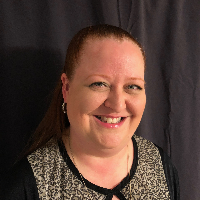
Minnesota · 13 yrs exp
LMFT - Relationship and LGBTQIA+ focused
Stress, Anxiety · LGBT · Relationship · Intimacy-related issues · +11 more
Read profile
Minnesota · 5 yrs exp
Licensed clinical social worker - parenting and trauma
Stress, Anxiety · Grief · Parenting · Depression · +10 more
Read profile
Minnesota · 13 yrs exp
Licensed counselor - family and parenting focus
Stress, Anxiety · Addictions · Relationship · Depression · +14 more
Read profile
Minnesota · 10 yrs exp
Licensed counselor - Parenting and family concerns
Trauma and abuse · Grief · Bipolar · Coping with life changes · +7 more
Read profile
Minnesota · 13 yrs exp
Licensed counselor - Family and parenting focus
Stress, Anxiety · Relationship · Self esteem · Depression · +11 more
Read profile
Minnesota · 9 yrs exp
LICSW - Family and parenting concerns
Stress, Anxiety · Family · Trauma and abuse · Grief · +11 more
Read profile
Minnesota · 8 yrs exp
LICSW - Family and parenting support
Stress, Anxiety · Family · Trauma and abuse · Grief · +8 more
Read profile
Minnesota · 12 yrs exp
Licensed Professional Counselor - Family and relationship concerns
Stress, Anxiety · Addictions · Trauma and abuse · Anger · +10 more
Read profile
Minnesota · 16 yrs exp
LMFT - Relationships and family concerns
Relationship · Family · Trauma and abuse · Intimacy-related issues · +11 more
Read profile
Minnesota · 32 yrs exp
LICSW - Family and parenting concerns
Stress, Anxiety · Trauma and abuse · Parenting · Self esteem · +10 more
Read profile
Minnesota · 7 yrs exp
LMFT - Relationships and parenting support
Stress, Anxiety · Relationship · Trauma and abuse · Depression · +13 more
Read profile
Minnesota · 25 yrs exp
LICSW - Parenting and mood concerns
Stress, Anxiety · Eating · Parenting · Depression · +10 more
Read profile
Minnesota · 28 yrs exp
Minnesota psychologist - family and relationship focus
Relationship · Family · Self esteem · Depression · +10 more
Read profile
Minnesota · 30 yrs exp
Licensed Professional Counselor - Family and parenting concerns
Stress, Anxiety · Relationship · Family · Depression · +13 more
Read profile
Minnesota · 10 yrs exp
LPCC counselor - Family and parenting concerns
Stress, Anxiety · Addictions · Trauma and abuse · Self esteem · +14 more
Read profile
Minnesota · 5 yrs exp
LICSW - Family and parenting, mood and behavior
Stress, Anxiety · Family · Trauma and abuse · Grief · +10 more
Read profile
Minnesota · 11 yrs exp
LPCC in Minnesota - Family and relationship concerns
Stress, Anxiety · Addictions · Relationship · Family · +9 more
Read profile
Minnesota · 6 yrs exp
LMFT - Relationships and family concerns
Stress, Anxiety · Addictions · Relationship · Self esteem · +9 more
Read profile
Minnesota · 4 yrs exp
Licensed counselor - relationships and parenting
Stress, Anxiety · Relationship · Grief · Intimacy-related issues · +6 more
Read profile
Minnesota · 10 yrs exp
Licensed Professional Counselor - Family and parenting related concerns
Trauma and abuse · Grief · Anger · Self esteem · +11 more
Read profile
Minnesota · 20 yrs exp
Licensed social worker - family and parenting focus
Stress, Anxiety · Relationship · Family · Depression · +10 more
Read profile
Minnesota · 20 yrs exp
MN Psychologist - Family and parenting concerns
Addictions · Grief · Self esteem · Coping with life changes · +10 more
Read profile
Minnesota · 13 yrs exp
LMFT and LICSW - Family and relationship concerns
Stress, Anxiety · LGBT · Relationship · Family · +12 more
Read profile
Minnesota · 22 yrs exp
LICSW in Minnesota - Family and parenting concerns
Stress, Anxiety · Trauma and abuse · Parenting · Self esteem · +9 more
Read profile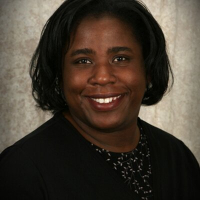
Minnesota · 15 yrs exp
LICSW in Minnesota - Family and parenting concerns
Stress, Anxiety · Grief · Anger · Self esteem · +9 more
Read profile
Minnesota · 6 yrs exp
LICSW - Stress and family concerns
Stress, Anxiety · Addictions · Trauma and abuse · Depression · +15 more
Read profile
Minnesota · 25 yrs exp
LPCC counselor - Family and parenting focus
Stress, Anxiety · Addictions · Trauma and abuse · Grief · +12 more
Read profile
Minnesota · 7 yrs exp
Licensed Professional Counselor - Relationships and Family
Relationship · Family · Trauma and abuse · Grief · +13 more
Read profile
Minnesota · 7 yrs exp
LPCC in Minnesota - Stress and family concerns
Stress, Anxiety · Trauma and abuse · Grief · Self esteem · +10 more
Read profile
Minnesota · 10 yrs exp
LICSW in Minnesota - Family and parenting focus
Stress, Anxiety · Addictions · Relationship · Self esteem · +11 more
Read profile
Minnesota · 12 yrs exp
Dr. Kevin Stefanek, LPC - Family and parenting focus
Stress, Anxiety · Relationship · Self esteem · Depression · +14 more
Read profile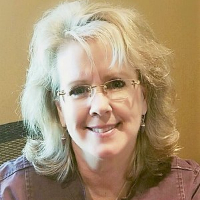
Minnesota · 25 yrs exp
Dr. Karyn Smith - Psychologist, family and parenting concerns
Stress, Anxiety · Relationship · Trauma and abuse · Intimacy-related issues · +16 more
Read profile
Minnesota · 18 yrs exp
LCSW LICSW - Stress and relationship concerns
Stress, Anxiety · Addictions · Anger · Depression · +13 more
Read profile
Minnesota · 15 yrs exp
LPCC counselor - family and parenting concerns
Stress, Anxiety · Coping with life changes · Compassion fatigue · Relationship · +9 more
Read profile
Minnesota · 10 yrs exp
Licensed counselor - family and parenting concerns
Stress, Anxiety · Anger · Self esteem · Coping with life changes · +8 more
Read profile
Minnesota · 30 yrs exp
LICSW in Minnesota - Family and parenting concerns
Stress, Anxiety · LGBT · Grief · Intimacy-related issues · +12 more
Read profile
Minnesota · 9 yrs exp
LPCC in Minnesota - Family and parenting focus
Stress, Anxiety · Anger · Self esteem · Bipolar · +13 more
Read profile
Minnesota · 8 yrs exp
LICSW - Depression and Family concerns
Stress, Anxiety · Relationship · Family · Parenting · +13 more
Read profile
Minnesota · 4 yrs exp
LPCC counselor - Relationship and family concerns
Stress, Anxiety · Relationship · Family · Self esteem · +12 more
Read profile
Minnesota · 11 yrs exp
Licensed Professional Clinical Counselor - relationships and parenting
Stress, Anxiety · Relationship · Family · Self esteem · +7 more
Read profile
Minnesota · 8 yrs exp
Minnesota psychologist - stress and family concerns
Stress, Anxiety · Grief · Sleeping · Depression · +12 more
Read profile
Minnesota · 7 yrs exp
LICSW - Relationships and Parenting
Stress, Anxiety · Relationship · Family · Intimacy-related issues · +12 more
Read profile
Minnesota · 6 yrs exp
Licensed counselor - Family and parenting focus
Stress, Anxiety · Addictions · Relationship · Trauma and abuse · +10 more
Read profile
Minnesota · 8 yrs exp
LICSW - Relationships and Parenting
Stress, Anxiety · Relationship · Trauma and abuse · Parenting · +8 more
Read profile
Minnesota · 11 yrs exp
LMFT in Minnesota - Family and trauma concerns
Family · Trauma and abuse · Grief · Intimacy-related issues · +14 more
Read profile
Minnesota · 6 yrs exp
LPCC in Minnesota - family and parenting focus
Stress, Anxiety · Grief · Depression · Addictions · +6 more
Read profile
Minnesota · 13 yrs exp
LICSW in Minnesota - Stress and Parenting
Stress, Anxiety · Addictions · Family · Trauma and abuse · +13 more
Read profile
Minnesota · 3 yrs exp
LICSW focused on parenting and relationships
Stress, Anxiety · Grief · Depression · Coping with life changes · +4 more
Read profile
Minnesota · 13 yrs exp
LPCC counselor - Family and parenting concerns
Stress, Anxiety · Relationship · Family · Trauma and abuse · +12 more
Read profileWhen you search the Minnesota section you will find profiles of clinicians who list family relationships or parenting among their specialty areas. These profiles are intended to help you compare aspects of practice such as the kinds of concerns a clinician highlights, the populations they mention, and the approaches they indicate. The presence of a Minnesota listed location does not prove an in-person office or establish legal permission to work with people in every jurisdiction. You should treat each profile as a starting point for learning more and for asking specific questions about whether a clinician can work with you given where you live and the nature of your needs.
Profiles are most useful if you have a clear idea of the problem you want to address. If you are dealing with parenting stress, blended family transitions, conflict with adult children, or responsibilities for aging parents, look for profiles that mention those concerns in plain language. Keep in mind the clinicians represented here generally work with individuals about family and parenting issues. If anyone in your household is in immediate danger, contact local emergency services right away rather than using an online directory.
Understanding what credentials and location information mean helps you decide which profiles to explore further. Academic degrees such as PhD, PsyD, MD, MA or MSW indicate educational background but do not by themselves show current permission to practice. In the United States clinicians typically hold state-issued licenses with abbreviations you may recognize and those indicate a regulatory pathway. In the United Kingdom and in Australia clinicians may describe registration, membership or accreditation with professional bodies; those terms differ from US state licensure. Reading the words on a profile carefully will help you know whether someone is describing a degree, a professional registration, or a membership in a voluntary association.
Because this directory groups professionals by a listed Minnesota location, it is especially important to confirm directly with a clinician whether they are permitted to work with you where you live. Licensing, registration and permission to practice vary by jurisdiction and can affect whether a clinician can offer services across state or national lines. Profiles may include contact options and notes about the services a clinician provides; use those details to ask about current authorization to work with clients in Minnesota or in your home state if you are considering remote care.
When you find a profile that seems relevant, prepare specific questions so you can compare how clinicians describe their work. You can ask how they typically support an individual who is managing daily parenting stress or how they help someone navigating conflict with an adult child. Ask which age ranges and family roles they most often work with and whether they have experience with blended family dynamics, step-parenting issues or caregiving for aging parents. For therapeutic approaches, phrase your questions to reflect that listings only indicate what a clinician says they use. For example, you can ask whether the clinician often works with particular approaches, whether they have experience using techniques that focus on emotion regulation or communication skills, or whether they are comfortable adapting their way of working to your preferences. If you see a modality mentioned on a profile, ask what that looks like in practice rather than assuming it implies a specific credential.
Be explicit about outcomes you care about and ask how a clinician measures progress in ways that matter to you. You might request examples of the kinds of goals they set with individuals who share your concerns and what short-term steps look like. Asking concrete, scenario-based questions helps you distinguish clinicians who routinely work with issues like parenting burnout or strained relationships with adult children from those who list family topics more generally.
If you are considering remote sessions, it is important to address several practical and safety-related topics before beginning. Confirm with the clinician whether they are allowed to work with clients in your state or country and whether any local rules affect how services are offered. Discuss the technical format and what platform will be used, how to handle interruptions or dropped connections, and what to do if you need to change your appointment. Bring up how the clinician handles emergencies and ask whether they will help you identify local crisis resources in your area, because clinicians may not be able to intervene directly across jurisdictions. If a child or adult is unsafe, call local emergency services immediately.
For work with minors, ask about consent requirements and whether parental permission is needed for certain services. Talk about record keeping and how personal information will be handled in a way that protects your comfort. Finally, clarify practical matters such as session length and preferred ways to communicate between meetings so you have a shared plan for next steps before you begin.
Comparing profiles requires attention to detail and a sense of what matters most to you. Read profiles with an eye to focus areas that match your situation - for example parenting during major life changes, coping with adult-child estrangement, negotiating caregiving with aging parents, or adapting to stepfamily roles. Note whether a clinician explicitly mentions working with parents, solo caregivers, or adults who are seeking strategies for boundary-setting. Language can be a critical factor; if you prefer to work in a language other than English, prioritize profiles that list additional languages spoken. Matching on language reduces friction and helps you convey nuance when discussing family history or cultural expectations.
Look at how clinicians describe their therapeutic style - whether they emphasize practical skill-building, exploration of family patterns and meanings, or a focus on coping strategies for stress and emotion management. Remember that statements about approach indicate what a clinician lists, not a guarantee of specialized certification. If style matters to you, ask for examples of what a typical conversation might look like during the first few sessions. Compare dates of degrees and descriptions of ongoing experience, but treat these as context rather than proof of current permission to practice. Finally, when you are ready to reach out, use the profile details to craft focused questions so you can quickly learn whether a clinician is someone you want to speak with further and whether they can legally and ethically work with you in Minnesota or wherever you live.
ADHD
5093 therapists
Anger
6665 therapists
Control Issues
5020 therapists
Depression
8168 therapists
Domestic Violence
3579 therapists
Grief
7314 therapists
Guilt and Shame
6692 therapists
Intimacy Issues
5425 therapists
Isolation / Loneliness
6371 therapists
Midlife Crisis
4715 therapists
Panic Disorder and Panic Attacks
4979 therapists
Postpartum Depression
3147 therapists
Self Esteem
8202 therapists
Stress & Anxiety
8703 therapists
Trauma and Abuse
7482 therapists
Abandonment
4885 therapists
Aging and Geriatric Issues
3237 therapists
Attachment Issues
5173 therapists
Blended Family Issues
4188 therapists
Caregiver Issues and Stress
5297 therapists
Codependency
4815 therapists
Commitment Issues
4092 therapists
Communication Problems
7154 therapists
Compassion Fatigue
5325 therapists
Coping with Life Changes
7978 therapists
Divorce
5713 therapists
Family
8273 therapists
Family of Origin Issues
3915 therapists
Forgiveness
6237 therapists
Infidelity
3873 therapists
Money and Financial Issues
3193 therapists
Parenting
7005 therapists
Relationship
8113 therapists
Workplace Issues
5603 therapists